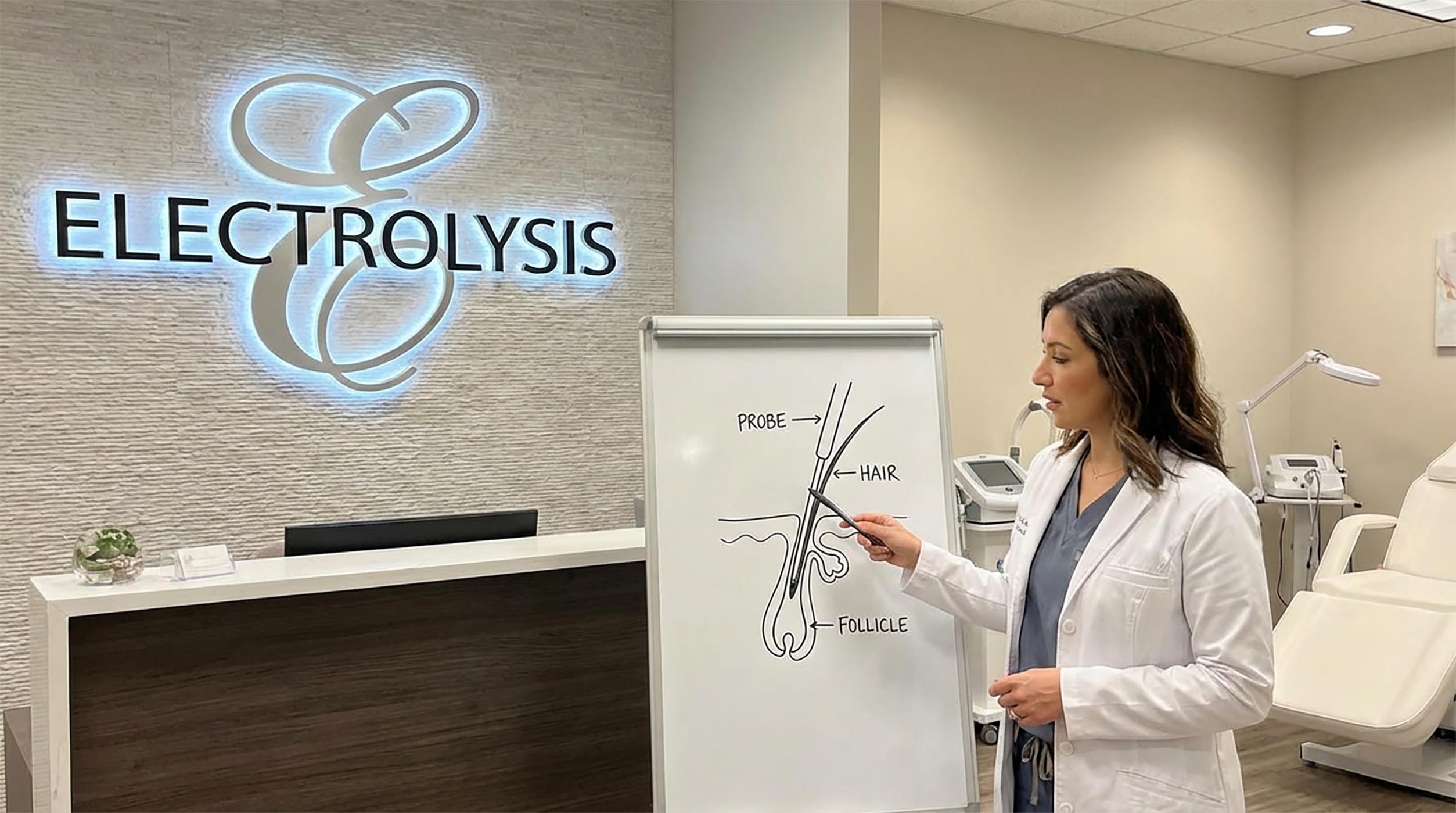
A Comprehensive Guide to its Origins, Applications, Costs, and Permanent Efficacy
Electrolysis stands as the definitive solution for permanent hair removal, a testament to nearly 150 years of scientific advancement and proven efficacy. Originating in 1875 as a medical breakthrough, it remains the only method recognized by the U.S. Food and Drug Administration (FDA) for truly permanent hair elimination. Unlike laser hair removal, which offers long-term reduction, electrolysis meticulously targets and destroys individual hair follicles, ensuring that treated hairs are gone for good. This makes it an indispensable choice for those seeking absolute permanence on all hair colors, textures, and skin types – a versatility unmatched by other hair removal technologies.
This report delves into the intricate world of electrolysis, tracing its historical roots from a medical necessity to its evolution into a sophisticated cosmetic and medical procedure. We will explore its scientific basis, detailing the three primary modalities (galvanic, thermolysis, and blend) that underpin its effectiveness. Furthermore, we will examine the growing market dynamics, shed light on the average costs across various Texas cities, dissect the complex issue of insurance coverage, and address frequently asked questions to provide a holistic understanding of this enduring and powerful method of hair removal.
Key Takeaways
- FDA-Approved Permanent Hair Removal: Electrolysis is the only method officially recognized by the FDA for permanent hair elimination, unlike laser which offers permanent reduction.
- Universal Effectiveness: Works on all hair colors, types, and skin tones, including blonde, gray, and fine vellus hairs that laser treatments often cannot address.
- Historical & Scientific Foundation: Developed in 1875, its core principle of destroying the hair follicle’s growth cells remains the gold standard, enhanced by modern galvanic, thermolysis, and blend techniques.
- Growing Market: The global electrolysis market is projected to reach $1.4 billion by 2034, driven by demand for permanent solutions and at-home device adoption.
- Significant Time & Financial Commitment: Requires 15-30 sessions over 12-18 months due to follicle-by-follicle treatment; total costs can range from $1,193 to $4,000+ for full treatment.
- Variable Costs in Texas: Average hourly rates in Texas range from $90-$180, with specific city averages like Dallas (~$92/hr), Houston (~$125/hr), and Austin (~$105/hr).
- Limited Insurance Coverage: Generally not covered by insurance unless for specific medical indications, such as pre-surgical gender-affirming care.
1. Executive Summary
Electrolysis hair removal is a time-tested and universally effective method for achieving permanent elimination of unwanted hair. Originating in 1875 as a medical treatment for ingrown eyelashes, it has evolved over nearly 150 years into the only hair removal technique recognized by the U.S. Food and Drug Administration (FDA) as truly permanent[1]. Unlike laser hair removal, which offers long-term reduction, electrolysis permanently destroys the hair follicle, ensuring that treated hairs do not regrow[2]. This distinct advantage stems from its mechanism, which involves the precise insertion of a fine probe into individual hair follicles, delivering an electrical current that eradicates the hair growth cells[3]. This method is effective on all hair colors, thicknesses, and skin types, including blonde, gray, and fine vellus hairs that laser technologies often miss, making it a crucial solution for a broad spectrum of individuals[4].
The global electrolysis hair removal market is a robust and growing sector, valued at approximately $892 million in 2024, with projections indicating a rise to $1.407 billion by 2034, driven by a compound annual growth rate (CAGR) of 5.2%[5]. This growth is fueled by increasing consumer demand for guaranteed permanent solutions and the expanding availability of at-home electrolysis devices, catering to a burgeoning DIY beauty trend[6]. Despite its proven efficacy and permanency, electrolysis is a labor-intensive process due to its follicle-by-follicle treatment approach. Clients typically require 15 to 30 sessions over a period of 12 to 18 months to achieve full clearance of a given area, as hair must be treated during its active growth phase[7][8]. This considerable time commitment and corresponding financial investment are key factors influencing patient satisfaction and market uptake.
The cost of electrolysis varies significantly based on geographic location, practitioner experience, and the size and density of the treatment area. In the U.S., average hourly rates for sessions range from $90 to $180 as of 2024[9]. For example, in Texas, hourly rates can range from about $92 in Dallas to $125 in Houston, with Austin seeing rates up to $105 per hour for longer sessions[10][11][12]. The total investment for a full course of treatment can range widely, with RealSelf patients reporting an average expenditure of $1,193, while more extensive treatments can cost $4,000 or even up to $10,000 for large or particularly challenging areas[14][16]. A major financial consideration for prospective clients is the lack of insurance coverage; a 2020 study revealed that 95.4% of health policies excluded permanent hair removal, with coverage only available under very limited medical indications, such as pre-surgical requirements for gender-affirming care[18][20]. Thus, electrolysis is largely an out-of-pocket expense for most individuals.
Patient satisfaction, while generally positive, is somewhat mixed compared to laser hair removal. RealSelf data shows a 67% “Worth It” rating for electrolysis, versus 87% for laser, often reflecting the commitment required for electrolysis versus the faster, though less permanent, results of laser hair removal[22]. Nevertheless, electrolysis is particularly valued in use cases requiring absolute permanence, precision, or treatment of hair types not amenable to laser. These include individuals with hormone-related conditions like Polycystic Ovary Syndrome (electrolysis for PCOS), transgender patients seeking gender-affirming care, and those requiring meticulous hair shaping for eyebrows or removal of light-colored hairs[24]. Modern technological advancements, including three primary modalities (galvanic, thermolysis, and blend), have enhanced the efficiency and comfort of treatments, making the process more tolerable and effective than in its earliest days[26][28]. This executive summary provides a foundational understanding of electrolysis, outlining its historical significance, unique advantages, market dynamics, cost considerations, and primary applications, setting the stage for a deeper exploration of each aspect.
The Enduring Legacy and Scientific Basis of Electrolysis
The journey of electrolysis began not as a cosmetic enhancement, but as a critical medical intervention. In 1875, Dr. Charles Michel, an ophthalmologist in St. Louis, pioneered the technique to address a debilitating condition known as trichiasis – ingrown eyelashes that caused chronic irritation and threatened vision[30]. Faced with recurrent and ineffective temporary solutions, Dr. Michel ingeniously adapted a fine needle connected to a galvanic battery. By inserting this electrified needle into the eyelash follicle and applying a weak electrical current for a few minutes, he discovered he could permanently destroy the hair root, allowing the offending lash to be painlessly removed and preventing its regrowth[28]. This groundbreaking work, published in October 1875, marked the birth of electrolysis and established its fundamental principle: the permanent destruction of hair growth cells within the follicle through targeted electrical energy[32]. This nearly 150-year-old method, while refined with modern technology and techniques, operates on the same core principle, maintaining its position as the gold standard for permanent hair removal.
The scientific basis of electrolysis is rooted in its ability to permanently disable the hair follicle. The U.S. FDA, the leading authority on medical device classifications, officially recognizes electrolysis as the only method for “permanent hair removal”[2]. This is a crucial distinction from laser hair removal, which is categorized as “permanent hair reduction” because, while highly effective in diminishing hair growth, it often requires maintenance sessions and may not achieve 100% hair elimination[2]. Electrolysis achieves this permanency by directly targeting the germinal papilla and other hair growth cells responsible for hair production. There are three primary modalities through which this is accomplished:
- Galvanic Electrolysis: This is the original method discovered by Michel. It uses a direct current (DC) to create a chemical reaction within the follicle, forming sodium hydroxide (lye). The lye chemically destroys the entire follicle, making it very effective, particularly for coarse, deep hairs. However, it is the slowest method, potentially taking 10 or more seconds per follicle[25].
- Thermolysis (Diathermy): Introduced in the 1920s, thermolysis uses a high-frequency alternating current (AC) to generate heat within the follicle. This heat coagulates and destroys the hair growth cells. Thermolysis is significantly faster than galvanic, often requiring only fractions of a second per follicle, making it more suitable for treating larger areas more quickly[27].
- Blend Method: As the name suggests, the blend method combines both galvanic (DC) and thermolysis (AC) currents. This synergistic approach aims to leverage the benefits of both: the chemical action of galvanic electrolysis provides thorough destruction, while the heat from thermolysis accelerates the process and enhances the breakdown of tissue, making the lye formation more effective. This method is often preferred for its versatility and efficacy across different hair types and depths[25].
Modern computerized epilators used today offer precise control over the current intensity and duration, dramatically improving the efficiency and comfort compared to the early, rudimentary devices. A single follicle, which might have taken a few minutes to treat in the 19th century, can now be cleared in mere fractions of a second with advanced thermolysis techniques[27][28]. Despite these technological advancements, the fundamental principle of individualized follicle destruction remains, ensuring the unparalleled permanence of electrolysis.
Market Dynamics and Growth Drivers
The global electrolysis hair removal market is experiencing steady and significant growth, underscoring its continued relevance in the beauty and personal care industry. Valued at nearly $900 million in 2024, the market is projected to reach approximately $1.4 billion by 2034, demonstrating a robust compound annual growth rate (CAGR) of 5.2%[5]. This positive trajectory is attributed to several key factors:
- Increasing Demand for Permanent Solutions: Consumers are increasingly seeking definitive, long-term solutions for unwanted hair, moving away from temporary methods that require constant upkeep. Electrolysis’s FDA-backed claim of permanent removal positions it uniquely in this market segment[5].
- Universal Applicability: Unlike laser hair removal, which has limitations based on hair and skin color, electrolysis effectively treats all hair types and colors on all skin tones. This broad applicability ensures a consistent customer base, including individuals with light-colored or grey hair who are not candidates for laser treatment[4].
- Expanding At-Home Device Market: The rise in DIY beauty trends has led to a growing market for at-home electrolysis devices. While professional treatment remains the benchmark, these devices offer a more accessible, albeit potentially less effective and complex, option for consumers looking for personal hair removal solutions[6].
- Rising Beauty Consciousness and Disposable Income: Globally, an increased focus on personal aesthetics, coupled with rising disposable incomes in many regions, contributes to higher spending on cosmetic procedures like electrolysis[5].
- Technological Advancements: Continuous improvements in epilator technology, including computerization, insulated probes, and advanced modalities like microflash thermolysis, have made treatments faster, more comfortable, and more efficient, enhancing the appeal of professional electrolysis services.
Despite competition from laser and IPL (Intense Pulsed Light) technologies, electrolysis maintains its vital niche. Its capability to address specific needs, such as precise hair shaping and treating hair types unresponsive to light-based methods, ensures its ongoing demand. This market stability and growth trajectory suggest a sustained confidence in the efficacy and value of electrolysis as a permanent hair removal solution.
The Process: Sessions, Time Commitment, and Effectiveness
Achieving permanent hair removal through electrolysis is a methodical process that necessitates patience and consistent dedication from the client. The treatment differs fundamentally from other hair removal techniques due to its meticulous, follicle-by-follicle approach. This labor-intensive nature means that achieving complete and permanent clearance of an area requires multiple sessions over an extended period.
- Individual Follicle Treatment: Each hair follicle targeted by electrolysis must be treated individually. A trained electrologist carefully inserts a very fine, sterile probe into the opening of the hair follicle, alongside the hair shaft. An electrical current is then delivered directly to the follicle, destroying the cells responsible for hair growth[3]. Once the follicle is sufficiently treated, the hair is gently removed with tweezers, typically sliding out without resistance. Since only the treated follicle is affected, surrounding skin tissue remains unharmed.
- Multiple Sessions Required: The need for multiple sessions stems from the cyclical nature of hair growth. Human hair grows in three primary phases:
- Anagen (Active Growth Phase): This is when the hair is actively growing and the follicle is most receptive to electrolysis, as the growth cells are vigorously dividing and can be most effectively targeted and destroyed.
- Catagen (Transitional Phase): Hair stops growing, and the follicle shrinks.
- Telogen (Resting Phase): The hair is dormant, and eventually, the old hair sheds.
- Treatment Duration and Frequency: These numerous sessions are spread out over a period that often ranges from 12 to 18 months, and sometimes even longer for very dense areas or those influenced by strong hormonal activity[8]. Initial sessions might be more frequent (e.g., weekly or bi-weekly) and longer in duration to “clear” the area of as many active hairs as possible. As hair growth diminishes, sessions become shorter and less frequent, typically focusing on new growth or previously dormant hairs transitioning into anagen. A typical session can range from 15 minutes to an hour, depending on the size of the area and the density of hair. For instance, a 15-minute session might suffice for a few stray chin hairs, while an hour would be needed for a larger facial area or a portion of a leg.
- Pain and Comfort: While the idea of a needle might sound daunting, most individuals tolerate electrolysis well. The Cleveland Clinic notes that the procedure “is not painful and has no long-lasting side effects”[35]. Sensations can vary, often described as a brief warming, stinging, or quick electrical zap. Sensitive areas like the upper lip or bikini line may be more uncomfortable. Electrologists employ ultra-fine, sterile, disposable probes and carefully adjusted current settings to minimize discomfort. Topical numbing creams or ice can also be used to enhance patient comfort.
- No Downtime: A significant advantage of electrolysis is the lack of downtime. After a session, clients may experience temporary redness, slight swelling, or minor pinpoint scabbing, similar to a mild sunburn. These effects typically resolve within a few hours to a few days. Patients can immediately resume their normal activities, making it a convenient treatment option for those with busy schedules.
The effectiveness of electrolysis is its hallmark; once a hair follicle is properly treated and destroyed, it cannot produce hair again. This permanence makes the long-term investment in time and money worthwhile for many, especially for those who have found other hair removal methods ineffective or unsatisfactory.
Cost Considerations and Regional Variations in Texas
The financial investment required for electrolysis is a significant factor for prospective clients, particularly given its labor-intensive nature and the lack of widespread insurance coverage. Costs are typically structured on a pay-per-session model, with rates varying based on duration, location, and practitioner expertise.
- Average Session Costs: In the United States, current data from 2024 indicates that an electrolysis session typically ranges from $90 to $180 per hour[9]. Shorter sessions, such as 15 or 30 minutes, are often priced proportionally, though sometimes with a slightly higher minute-by-minute rate. For example, a 15-minute session might cost $30-$60.
- Total Treatment Costs: Because multiple sessions are required (typically 15-30 over 12-18 months), the cumulative cost can be substantial. RealSelf, a platform for patient experiences, reports an average total expenditure of $1,193 for electrolysis to achieve desired results. However, this figure can range widely, with some individuals investing $4,000 or more for extensive or challenging treatment areas[14]. Industry estimates suggest an even broader spectrum, with average treatment courses around $500, but an extreme range from approximately $30 up to $10,000 for very large body areas or dense hair growth[16]. For instance, clearing a dense beard for gender-affirming care can easily accumulate costs upwards of $10,000 due to the extensive hours required at average rates[16].
Average Cost in Texas by City
As with many services, the price of electrolysis in Texas exhibits regional variations influenced by local cost of living, demand, and competition among practitioners. Here’s a breakdown of average hourly rates for specific Texas cities, based on available data:
| City | Average 1-Hour Session Cost (Approx.) | Source |
|---|---|---|
| Houston | $125 (approx. $45 for 15 minutes) | Houston Electrolysis Clinic[11] |
| Dallas | $92 | Sandra’s Electrolysis[12] |
| San Antonio | ~$105-$155 (ranging from ~$35 for 15 min) | Bio2 Laser Studio |
These figures illustrate that even within a single state, significant price differences exist. Houston, with its higher cost of living and potentially greater demand for certain specialized services, appears to have higher rates compared to Dallas, for example. Austin falls within a similar range, with options for shorter, more budget-friendly sessions. These variations highlight the importance of prospective clients researching local providers and obtaining detailed quotes tailored to their specific treatment needs.
Use Cases and Patient Satisfaction
Electrolysis serves a diverse clientele, differentiated from laser hair removal by its universal effectiveness and guaranteed permanence. While the “Worth It” rating on RealSelf for electrolysis (67%) is lower than for laser hair removal (87%)[22], this often reflects the longer treatment duration and higher overall cost. However, for specific use cases, electrolysis is not merely beneficial but often the only viable or preferred option, leading to high satisfaction among those for whom it is perfectly suited.
- Universal Effectiveness (All Hair & Skin Types): This is perhaps the most significant advantage. Electrolysis does not discriminate based on hair color or skin tone. This makes it indispensable for individuals with:
- Blonde, Red, Gray, or White Hair: These hair colors lack the melanin pigment that laser hair removal targets, rendering laser ineffective. Electrolysis is the only permanent solution for these hair types[4].
- Darker Skin Tones: While newer lasers have improved safety for darker skin, electrolysis carries no risk of hyperpigmentation or burns related to skin pigment, as the current targets the follicle directly, not the melanin in the skin.
- Precision Work and Delicate Areas: The ability to treat individual follicles with pinpoint accuracy makes electrolysis ideal for:
- Eyebrow Shaping: Electrologists can meticulously sculpt eyebrows, removing stray hairs without affecting the surrounding ones, a task too risky for broad-beam lasers near the eyes.
- Small Areas and “Clean-up”: It’s perfect for removing a few unwanted hairs on the upper lip, chin, around moles, or from ears and nose, where lasers cannot safely or effectively be used. It’s also frequently used as a “clean-up” method after laser hair removal has reduced the bulk of dark hair, targeting any remaining fine, light, or stubborn hairs.
- Ingrown Hairs (Pseudofolliculitis): For individuals prone to painful ingrown hairs, particularly in beard areas or pubic regions, electrolysis resolves the issue by permanently preventing hair growth from those problem follicles.
- Hormonal Hair Growth (Hirsutism) & PCOS: Women experiencing hirsutism due to hormonal imbalances, such as Polycystic Ovary Syndrome (PCOS) or menopause, often develop coarse facial hair (chin, upper lip, neck). Electrolysis offers a permanent, life-changing solution for these individuals, eliminating the constant need for temporary measures like shaving or waxing, which can exacerbate skin issues. Many report significant improvements in confidence and quality of life after successful treatment[37].
- Gender-Affirming Care for Transgender Individuals: Electrolysis plays a critical, often medically necessary, role in transgender transitions, particularly for trans women (MTF). Facial hair removal is a common goal to alleviate gender dysphoria, and electrolysis is indispensable for achieving smooth, permanent results, especially on lighter or finer hairs that laser may miss. Furthermore, pre-surgical hair removal, such as on the genital area prior to vaginoplasty or on donor sites for phalloplasty, is essential to prevent post-operative complications like infections or hair growth within reconstructed tissues[39][41]. The World Professional Association for Transgender Health (WPATH) standards often recommend electrolysis (or laser) for this purpose.
- Seeking Total Permanence: Ultimately, many clients turn to electrolysis because they desire unequivocal, 100% permanent hair removal and have tried other methods that fell short of this goal. While the journey is longer, the assurance that the treated hair will never regrow offers lasting peace of mind and often represents the end of a long struggle with unwanted hair.
Insurance Coverage Landscape
A significant barrier for many individuals considering electrolysis is the prevalent lack of insurance coverage. Despite its proven medical origins and potential for therapeutic benefits in specific contexts, electrolysis is largely classified as a cosmetic procedure by insurance providers.
- “Cosmetic” vs. “Medical Necessity”: Health insurance policies generally aim to cover treatments deemed medically necessary to diagnose, treat, or prevent illness or injury. Procedures performed solely to improve appearance, without underlying medical indication, are typically excluded. Since unwanted hair is rarely considered a life-threatening medical condition, electrolysis often falls under the “cosmetic” umbrella.
- Overwhelming Exclusion Rates: A comprehensive 2020 study published in JAMA Dermatology, which analyzed 174 health insurance policies (including private Affordable Care Act plans and state Medicaid plans), revealed a stark reality: 95.4% of these policies provided no coverage for permanent hair removal (either electrolysis or laser)[18].
- Limited “Medical Indication” Exceptions: Of the few policies that did offer some form of coverage, most did so with severe restrictions. Approximately 85% of the policies allowing coverage only did so for pre-operative hair removal in the context of gender-affirming surgery[20]. Even then, coverage was typically limited to specific surgical sites (e.g., genital area before vaginoplasty) to prevent complications, rather than general cosmetic hair removal for transgender individuals.
- Only 4.6% of the surveyed policies provided hair removal coverage without such restrictive criteria[20].
- Private insurance plans in states with transgender-inclusive coverage mandates were slightly more likely to cover electrolysis (13% did), compared to only 2.4% in states without such protections[43].
- Medicaid policies showed the lowest rates of coverage; only 1 out of 51 state Medicaid plans provided non-surgical electrolysis coverage[20].
- Out-of-Pocket Expense: The implication of these statistics is clear: the vast majority of individuals seeking electrolysis should prepare to pay for the treatment entirely out-of-pocket. While some rare medical conditions (e.g., severe pilonidal cysts, recurrent folliculitis caused by hair) might warrant a letter of medical necessity from a physician, these are very specific cases, and even then, approvals are not guaranteed.
- Advocacy and Assistance Programs: Recognizing this significant financial burden, especially for medically necessary hair removal in gender-affirming care, some non-profit organizations have stepped in. For example, the Point of Pride Electrolysis Support Fund has awarded nearly $1.4 million in aid to hundreds of transgender individuals since 2017 to cover electrolysis costs, demonstrating the critical need for such support and the often prohibitive costs associated with obtaining this treatment[45].
In summary, while it is always advisable to contact one’s insurance provider directly to inquire about specific policy details, the overwhelming evidence suggests that electrolysis is largely an uninsured expense for most individuals, cementing it as a significant personal financial investment.
Frequently Asked Questions (FAQs) about Electrolysis Hair Removal
To provide a clear and concise overview for individuals exploring electrolysis, here are answers to commonly asked questions:Is electrolysis hair removal permanent? Yes, absolutely. Electrolysis is the only hair removal method the FDA recognizes as “permanent hair removal”[2]. The process permanently destroys the hair growth cells within the follicle, meaning once a hair is properly treated by electrolysis, it will not grow back from that specific follicle[2]. In contrast, laser hair removal is classified as “permanent hair reduction,” significantly reducing hair growth but often not achieving 100% removal or requiring periodic touch-ups[4]. Does electrolysis hurt, or does it cause scars? Most individuals tolerate electrolysis well, finding the sensation manageable. The Cleveland Clinic states the procedure “is not painful and has no lasting side effects” when performed correctly[35]. You might feel a brief warming, stinging, or a quick zap as the current is applied to the follicle. Sensitivity varies by individual and body area (e.g., the upper lip is often more sensitive). Any temporary redness or slight swelling post-treatment typically resolves within hours or a few days. With proper technique, sterile, single-use probes, and a skilled electrologist, serious complications like scarring or infection are exceedingly rare. Topical numbing creams can be used to enhance comfort for sensitive clients. How many sessions will I need? Electrolysis requires multiple sessions because hairs grow in different cycles (active, transitional, resting). Only hairs in the active (anagen) growth phase are effectively treated. Therefore, repeated treatments are necessary to catch all hairs as they enter this phase. For complete and permanent clearance of an area, 15 to 30 sessions are commonly required[7]. These sessions are typically scheduled weekly or bi-weekly over a period of 12 to 18 months, sometimes extending beyond a year and a half for larger or denser areas[8]. The exact number depends on the size of the area, hair density, hair growth cycle, previous hair removal methods used, and hormonal factors. Is electrolysis better than laser hair removal? Neither is inherently “better”; it depends entirely on your specific needs and hair characteristics.
- Electrolysis: Is the gold standard for permanent removal [4] , works on all hair colors (blonde, gray, red, white) and all skin types without issue, and is precise enough for detailed shaping (e.g., eyebrows). It’s ideal for those seeking 100% eradication and for hairs not treatable by laser[4]. The downside is it’s slower and more labor-intensive per area.
- Laser Hair Removal: Is much faster per session for large areas and is excellent for significant hair reduction. However, it works best on dark hair against light skin (as it targets pigment) and is classified as “permanent reduction” rather than total removal[4]. It may not work on light-colored hairs and can pose risks for certain skin tones.
Many people utilize a combination: using laser to quickly reduce the bulk of dark hair over large areas, then switching to electrolysis to permanently eliminate any remaining light, fine, or resistant hairs for a perfectly smooth finish. Will health insurance cover electrolysis? In most cases, no. Health insurance providers typically classify electrolysis as a cosmetic or elective procedure, meaning it is not considered medically necessary. A study of 174 health policies found that 95.4% excluded coverage for permanent hair removal[18]. The rare exceptions usually involve very specific medical indications, such as pre-surgical hair removal for gender-affirming surgery, where it is deemed necessary to prevent post-operative complications[20]. However, even then, coverage is often limited and requires extensive documentation and pre-authorization. For the vast majority of individuals, electrolysis will be an out-of-pocket expense.
Having provided a comprehensive overview of electrolysis hair removal, its historical context, market presence, procedural details, cost implications, and frequently asked questions, the subsequent section will delve deeper into the specific operational methodology, detailing the different types of electrolysis and their applications, as well as the equipment and techniques employed by electrologists to achieve permanent hair removal.
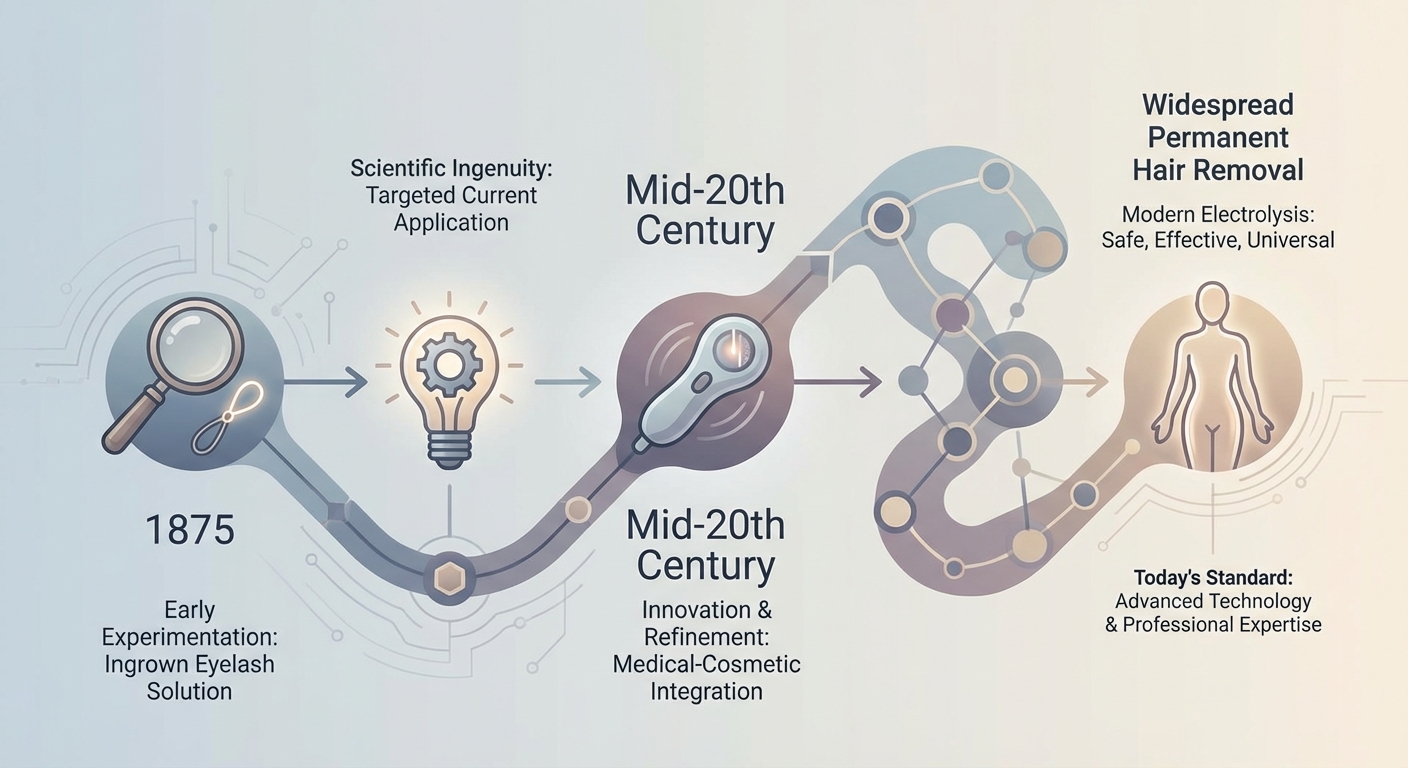
2. Introduction and Historical Context of Electrolysis
Electrolysis hair removal, a method often celebrated for its unparalleled permanence, stands as a testament to scientific ingenuity applied to medical and cosmetic needs. Unlike many modern aesthetic procedures that have emerged in recent decades, electrolysis boasts a rich history spanning nearly 150 years, tracing its origins to a specific medical dilemma faced by an ophthalmologist in the late 19th century [1]. What began as a precise solution for ingrown eyelashes quickly evolved into a widely recognized and utilized technique for permanent hair removal, establishing itself as the gold standard in definitive hair eradication [2]. This section delves into the fascinating origins of electrolysis, exploring its invention by Dr. Charles Michel in 1875 and its rapid adoption for broader cosmetic applications. We will examine the core principles that have allowed electrolysis to remain relevant and effective for generations, its evolution through various technological advancements, and the diverse use cases that underscore its continued importance in the hair removal landscape. Furthermore, we will address common questions, dissect the procedural intricacies, analyze the contemporary market, and discuss the nuances of costs and insurance coverage, providing a comprehensive overview of this enduring hair removal modality.
2.1 The Genesis of Electrolysis: Dr. Charles Michel’s Innovation
The invention of electrolysis was a direct response to a challenging medical problem rather than a quest for cosmetic enhancement. In 1875, Dr. Charles E. Michel, an ophthalmologist based in St. Louis, Missouri, published the first definitive report outlining a revolutionary method for permanently removing ingrown eyelashes [3]. This condition, known as trichiasis, involved eyelashes growing inwards, irritating the cornea, and potentially leading to severe vision impairment or even blindness [4]. Prior to Michel’s innovation, existing treatments such as manual plucking or crude cauterization offered only temporary relief, with the offending lashes inevitably regrowing [5]. Michel’s ingenuity lay in adapting a primitive battery-powered needle, typically used in general surgery for cauterization, to target individual hair follicles. Around 1869, he conceived the idea of inserting a fine gilded needle into the hair follicle, reaching the germinal papilla at its base. He then applied a weak direct (galvanic) electrical current. This current initiated a chemical reaction within the follicle, producing sodium hydroxide (lye), which effectively destroyed the hair-producing cells [6], [7]. After a few minutes of this galvanic current application, the treated eyelash could be easily removed, and crucially, it would never regrow [8], [9]. Published in the *St. Louis Clinical Record* in October 1875, Michel’s work, titled “Trichiasis and distichiasis; with an improved method for their radical treatment,” marked a pivotal moment [3]. It provided the first documented evidence of permanent hair removal through electrolysis. This medical breakthrough was significant because it offered a definitive cure for a persistent and debilitating condition, showcasing the power of precise electrosurgical intervention. The success with ingrown eyelashes immediately demonstrated the technique’s potential for permanently altering hair growth, laying the foundation for its subsequent application in cosmetic removal and establishing a treatment modality that would endure for well over a century [1]. The core principle—destroying the hair follicle’s growth cells—remains unchanged despite modern refinements [10].
2.2 Rapid Adoption and Early Cosmetic Applications
News of Dr. Michel’s successful technique quickly spread beyond the ophthalmological community, particularly among dermatologists who were grappling with solutions for excessive hair growth (hirsutism) that plagued many patients. Just two years after Michel’s publication, by 1877, dermatologists like Dr. W.A. Hardaway began experimenting with electrolysis for cosmetic purposes [11], [12]. This marked the shift from a specialized medical treatment to a broader application in dermatology clinics for aesthetic concerns. One of the most notable early cases highlighting the efficacy of electrolysis for cosmetic hair removal was Hardaway’s treatment of “Miss X.” This 22-year-old woman suffered from a pronounced dark beard, a condition that caused her immense distress and for which previous temporary removal methods had proven ineffective and even exacerbated hair growth [12], [13]. Hardaway, along with a colleague, undertook the monumental task of treating every individual hair follicle on her face using Michel’s galvanic method. The process for “Miss X” was arduous and time-intensive, underscoring the labor-intensive nature that still characterizes electrolysis today. Hardaway reported conducting sessions lasting 1 to 2 hours each, sometimes up to nine sessions per week [12]. In total, over **350 treatments** were performed on Miss X’s face over approximately 8 to 9 months [12]. Despite the demanding schedule, the results were transformative. Hardaway proudly presented the outcome to the American Dermatological Association, proclaiming it a “radical cure of hirsuties” with “brilliant results” [12]. This case was groundbreaking, providing compelling evidence that electrolysis could permanently resolve even extensive cosmetic hair growth. The successful treatment of “Miss X” and similar cases fueled broader adoption. By 1889, a Detroit physician reported having treated over **1,500 cases** of unwanted hair using electrolysis [14], [15]. This rapid uptake within a mere 14 years of its invention demonstrated electrolysis’s effectiveness and the significant demand for permanent hair removal solutions in the late 19th century. It solidified electrolysis’s position as a valuable and accessible cosmetic procedure, laying the groundwork for its widespread use that continues globally today.
2.3 Evolution of Techniques and Modern Enhancements
While the fundamental principle of electrolysis remains consistent with Dr. Michel’s original innovation, the technology and techniques have undergone significant evolution, enhancing efficacy, speed, and patient comfort.
2.3.1 Early Devices and the Introduction of Galvanic Modality
The earliest electrolysis devices were rudimentary, consisting of a simple galvanic battery connected to a fine needle [16]. Michel’s original galvanic method relied on a direct electrical current to trigger a chemical reaction within the hair follicle, producing sodium hydroxide (lye), which then destroyed the hair germ cells [17]. While effective, this process was slow, often requiring several minutes per follicle to achieve complete destruction [18]. Over time, practitioners improved upon these early setups by developing multiple-needle galvanic devices, allowing for several follicles to be treated simultaneously, albeit still a slow process [19].
2.3.2 The Advent of Thermolysis and High-Frequency Current
A significant leap forward came in the 1920s with the introduction of **thermolysis** (also known as short-wave diathermy or high-frequency method) by Dr. Henri Bordier [19]. Thermolysis utilizes a high-frequency alternating current to generate heat within the hair follicle, effectively coagulating and destroying the hair-producing cells instantly [20]. This method was dramatically faster than galvanic electrolysis, reducing treatment time per follicle from minutes to mere fractions of a second. This speed improvement allowed electrologists to treat many more hairs in a single session, making it a more practical option for larger areas.
2.3.3 The Blend Method and Computerized Epilators
Further refinement occurred in 1948 when Arthur Hinkel and Henri St. Pierre developed the first commercial **blend** epilator [19]. The blend method ingeniously combines both galvanic (DC) and thermolysis (AC) currents simultaneously. This approach aims to leverage the advantages of both: the caustic chemical action of galvanic current and the rapid heat production of thermolysis. The heat from thermolysis accelerates the chemical reaction created by the galvanic current, making the treatment more potent and often more effective, especially for stubborn hairs. Hinkel and St. Pierre also patented the foot-switch controlled electronic epilator, further standardizing and improving the efficiency of the procedure [19]. Today, modern electrolysis machines are sophisticated, computerized epilators offering precise control over the current’s timing and intensity [19]. Advanced thermolysis techniques, such as “microflash,” can destroy a follicle in as little as 0.01 to 0.1 seconds, a stark contrast to the original galvanic method that demanded 2-3 minutes per follicle [21]. These technological advancements have profoundly impacted the comfort and efficiency of treatments, making them faster, more controlled, and more tolerable for clients while maintaining the core principle of permanent follicle destruction.
2.4 Permanent Hair Removal: The FDA’s Official Classification
One of the most critical distinctions of electrolysis, setting it apart from other hair removal methods, is its official classification by the U.S. Food and Drug Administration (FDA) as the **only method of “permanent hair removal”** [22]. This designation is not granted lightly and reflects the treatment’s ability to definitively eliminate the hair follicle’s capacity to produce new hair. Once a hair follicle is properly treated by electrolysis, it is permanently destroyed, and hair will not regrow from that follicle [22], [23]. In contrast, laser hair removal, despite its popularity, is categorized by the FDA merely as “permanent hair reduction” [22]. While lasers can significantly reduce hair growth, often achieving an impressive 70-90% reduction, they typically do not guarantee 100% hair eradication, and some regrowth can occur over time, necessitating periodic touch-up sessions [24]. This difference in FDA designation highlights the higher efficacy standard met by electrolysis. For individuals seeking a definitive and absolute end to unwanted hair, electrolysis remains the unrivaled choice due to this unparalleled guarantee of permanence [22].
2.5 Universal Effectiveness and Key Use Cases
A significant advantage that has ensured the longevity and continued relevance of electrolysis is its universal effectiveness. Unlike laser hair removal, which relies on the pigment (melanin) in the hair to absorb light energy, electrolysis directly targets and destroys the hair follicle regardless of hair color, texture, or the client’s skin type [25]. This makes it an invaluable option for a broad spectrum of individuals.
2.5.1 Ideal for All Hair and Skin Types
Electrolysis can permanently remove: * **Blonde, red, gray, or white hairs:** These hair colors lack sufficient melanin for laser treatments to be effective, making electrolysis the only viable permanent solution [25]. * **Fine vellus hairs:** Lasers often miss these delicate, fine hairs, but electrolysis can meticulously target them [25]. * **All skin tones:** Since electrolysis does not target pigment, it carries a lower risk of pigmentary changes (like hyperpigmentation or hypopigmentation) and burns on darker skin types compared to some laser types, making it a safer option for individuals with rich complexions [25].
2.5.2 Precision Work and Small, Delicate Areas
Electrolysis excels in situations requiring pinpoint precision that broad-beam lasers cannot offer. * **Eyebrow Shaping:** Electrologists can meticulously sculpt eyebrows by removing individual hairs, a task too risky for lasers due to their proximity to the eyes [25]. * **Stray Hairs:** It is ideal for removing isolated hairs in sensitive or hard-to-reach areas such as those in moles, ears, or nasal passages. * **Post-Laser Cleanup:** Many clients who undergo laser hair reduction often use electrolysis to permanently eliminate any remaining sporadic, fine, or light-colored hairs that the laser missed, achieving a truly smooth finish [25].
2.5.3 Hormonal Hair Growth and Medical Conditions
Electrolysis is frequently the preferred method for individuals experiencing hair growth due to hormonal imbalances or specific medical conditions. * **Polycystic Ovary Syndrome (PCOS):** Women with PCOS often develop hirsutism, characterized by coarse, dark hair on the face, chest, or abdomen. Electrolysis offers a permanent and often life-changing solution for this distressful symptom [26]. Nicole Cook, a modern electrologist, shared her personal journey, wherein electrolysis permanently cleared her PCOS-related facial hair after years of ineffective temporary methods, profoundly boosting her confidence and leading her to become an electrologist herself [27]. * **Preventing Ingrown Hairs (Pseudofolliculitis):** For individuals prone to painful ingrown hairs or razor bumps, particularly in areas like the beard region, electrolysis can permanently eliminate the problem by destroying the follicle at its root [28].
2.5.4 Transgender and Gender-Affirming Care
Electrolysis plays a crucial, often medically necessary, role in gender-affirming care for transgender individuals. * **Facial Hair Removal for Trans Women (MTF):** Permanent facial hair removal is frequently a high priority for trans women to alleviate gender dysphoria, reduce the need for constant shaving, and feminize their appearance [29]. Surveys indicate that up to 85% of trans women seek hair removal [29]. * **Pre-Surgical Hair Removal:** Electrolysis is indispensable for preparing areas for gender-affirming surgeries, such as vaginoplasty or phalloplasty [29], [30]. To prevent post-operative complications like infection or hair growth within surgically reconstructed tissues, donor sites (e.g., scrotal or penile skin for vaginoplasty, forearm/thigh grafts for phalloplasty) must be thoroughly and permanently cleared of hair. Electrolysis is often mandated several months prior to these procedures to ensure complete hair eradication. In these scenarios, electrolysis is not merely cosmetic but a critical component of medical treatment, ensuring the success and safety of complex surgeries [29], [30]. The non-profit Point of Pride’s Electrolysis Support Fund, which has awarded nearly **$1.4 million in aid** to hundreds of transgender individuals, demonstrates the significant need for and impact of accessible electrolysis in this community [31]. These diverse use cases underscore that while electrolysis may be time-consuming, its universal applicability and guarantee of permanence make it an indispensable solution that caters to highly specific and often profound personal and medical needs.
2.6 Market Dynamics and the Investment in Permanence
The electrolysis hair removal market, despite its established history and the emergence of newer technologies like laser hair removal, continues to demonstrate steady growth. The global electrolysis hair removal market is valued at approximately **$892 million in 2024** and is projected to reach **$1.407 billion by 2034**, reflecting a compound annual growth rate (CAGR) of **5.2%** [32], [34]. This sustained growth is driven by increasing beauty consciousness, rising disposable incomes, and a consumer preference for definitive, one-time solutions to unwanted hair [32]. The expansion of at-home electrolysis devices, catering to the DIY beauty trend, also contributes to market buoyancy, though professional treatment remains the gold standard [35].
2.6.1 Cost Structure and Regional Variations
Electrolysis is typically billed per session, primarily by time increments ranging from 15 minutes to an hour. In the United States, hour-long sessions typically average between **$90 and $180** as of 2024 [36]. Shorter sessions, such as 15 minutes, often carry a proportionally higher rate. Prices can vary significantly based on geographic location, practitioner experience, and local demand. For instance, in Texas: * In **Houston**, one clinic lists an hour session at approximately **$125**, with a 15-minute session costing around $45 [37]. * In **Dallas**, an hour session at one practice is priced at about **$92** [38]. * In **Austin**, typical rates range from approximately **$35 for a 15-minute session to $105 for an hour** [39]. These differences highlight how the cost of living and regional market dynamics influence pricing, making upfront research essential for prospective clients.
2.6.2 Total Investment and Time Commitment
Achieving permanent hair removal with electrolysis is a gradual process requiring multiple sessions spread over an extended period. This is because hair grows in cycles (anagen, catagen, and telogen phases), and electrolysis is most effective when targeting hairs in their active growth (anagen) phase [40]. Consequently, clients typically need between **15 to 30 sessions** for complete clearance of a given area, with appointments often scheduled weekly or bi-weekly over **12 to 18 months** [40], [41]. The total cost over a complete treatment course can range widely. RealSelf patient-reported data indicates an average total expenditure of **$1,193**, with some individuals investing over **$4,000** for extensive treatments [42], [43]. Other industry estimates suggest an average treatment course around **$500**, but with an extreme range spanning from **$30 to $10,000**, depending on the treated area, hair density, and number of sessions required [44]. For large areas (e.g., full beard or full legs), the cumulative cost can indeed run into thousands of dollars, as illustrated by patients receiving grants of **$10,000 or more** for extensive electrolysis [46]. Recognizing this significant investment, many electrology clinics offer pay-as-you-go options or packages with slight discounts [48].
2.6.3 Insurance Coverage: A Rarity
A critical factor influencing the cost burden for clients is the severe lack of insurance coverage. Electrolysis is overwhelmingly considered a **cosmetic procedure** by most insurance providers. A 2020 study in *JAMA Dermatology* analyzing 174 health insurance policies found that **95.4% explicitly excluded coverage for permanent hair removal**, including electrolysis [50], [52]. Only a meagre 4-5% of plans offered any coverage without severe restrictions [50]. Even in cases where electrolysis might be considered medically necessary, such as for gender-affirming care, coverage remains exceptionally limited. The *JAMA Dermatology* study further revealed that among the few policies that did cover hair removal for gender-affirming care, 85% restricted it to pre-surgical preparation (e.g., clearing a donor site for surgery) and did not cover general facial hair removal [50]. Medicaid policies were even less likely to provide coverage [50]. This means the vast majority of individuals pursuing electrolysis must anticipate paying out-of-pocket. This financial burden underscores the dedication and careful budgeting required by clients committed to achieving permanent hair removal through electrolysis.
2.7 FAQs about Electrolysis Hair Removal
To provide a quick reference and address common queries, here is an FAQ section summarizing key information about electrolysis: * **Is electrolysis hair removal permanent?** Yes, electrolysis is the only hair removal method recognized by the U.S. FDA as truly permanent [57]. It works by permanently destroying the hair growth cells within each follicle, ensuring that treated hairs will not regrow [57]. This differs from laser hair removal, which is classified as “permanent hair reduction” and may require touch-ups [25]. * **Does electrolysis hurt or cause scars?** Most individuals tolerate electrolysis well. The Cleveland Clinic states that the procedure “is not painful and has no long-lasting side effects” when performed correctly [60]. You might feel a brief warming, stinging, or tingling sensation as the current is applied. Temporary redness or slight swelling, akin to a mild sunburn, can occur immediately after treatment but typically subsides quickly. With a skilled practitioner using sterile, disposable probes, scarring or infection is extremely rare [60]. Topical numbing creams can be used to enhance comfort for sensitive areas. * **How many sessions will I need?** Electrolysis requires multiple sessions because hair grows in cycles (anagen, catagen, telogen phases), and only hairs in the active growth (anagen) phase can be effectively treated [40]. The exact number of sessions varies greatly by individual, the treated area, and hair density, but common estimates range from **15 to 30 sessions** for complete clearance [40]. Sessions are typically scheduled weekly or bi-weekly over a period of **12 to 18 months**, or even longer for very dense or hormonally driven hair growth [41]. * **Is electrolysis better than laser hair removal?** “Better” depends on individual needs. Electrolysis offers universal effectiveness, working on **all hair colors (including blonde, gray, red, white) and all skin types** with 100% permanence [25]. It is ideal for precision work and for individuals not suitable for laser due to hair or skin characteristics. Laser hair removal, on the other hand, is generally much faster per session for large areas and excels at reducing dense, dark hair [25]. However, it is primarily effective on pigmented hair and is classified as “hair reduction,” not total removal [58]. Many find a combination approach beneficial: using laser for initial bulk reduction, then electrolysis for stubborn or light hairs and achieving complete permanence. While laser users report higher satisfaction (87% “Worth It”) compared to electrolysis (67% “Worth It”) on RealSelf, this often reflects the quicker apparent results of laser [65]. For absolute permanence and versatility, electrolysis is the gold standard. * **Will insurance cover electrolysis?** In most cases, **no**. Insurance companies generally consider electrolysis a cosmetic or elective procedure, so typical health plans exclude coverage [50]. A study found that **95% of policies do not cover permanent hair removal** [50], [52]. The notable exception may be for medically necessary reasons, such as pre-surgical hair removal for gender-affirming surgeries, and even then, coverage is often restricted and requires extensive documentation and pre-authorization [50], [52]. Patients should therefore budget for out-of-pocket costs.
2.8 Conclusion of Historical Context
The journey of electrolysis from a niche ophthalmological solution in 1875 to a globally recognized, FDA-approved method for permanent hair removal showcases its enduring principles and adaptability. Its universal efficacy across all hair and skin types, coupled with its unparalleled promise of permanence, ensures its continued relevance in an evolving aesthetic market. While demanding a significant investment of time and money, and largely unfunded by insurance, electrolysis remains the definitive choice for those seeking an absolute and permanent end to unwanted hair. The next section will delve into the *specific process of electrolysis hair removal*, including the different modalities, what to expect during a session, and the critical factors influencing treatment efficacy and patient experience. —
- Doreen Electrolysis Center Blog. “The Origins of Electrolysis: A Century-Old Solution Still Going Strong.” DoreenElectrolysisCenter.com (May 2025).
- doreenelectrolysiscenter.com.
- Michel, CE. “Trichiasis and distichiasis; with an improved method for their radical treatment.” – St. Louis Clinical Record (Oct 1875).
- hairfacts.com.
- peachclinics.com.au.
- peachclinics.com.au.
- electrolysisbyalison.com.
- peachclinics.com.au.
- peachclinics.com.au.
- thervo.com.
- peachclinics.com.au.
- DoreenElectrolysisCenter.com.
- peachclinics.com.au.
- peachclinics.com.au.
- peachclinics.com.au.
- DoreenElectrolysisCenter.com.
- aedit.com.
- peachclinics.com.au.
- doreenelectrolysiscenter.com.
- aedit.com.
- peachclinics.com.au.
- pmc.ncbi.nlm.nih.gov.
- thervo.com.
- realself.com.
- realself.com.
- pcosdiva.com.
- pcosdiva.com.
- electrolysisbyalison.com.
- pmc.ncbi.nlm.nih.gov.
- pmc.ncbi.nlm.nih.gov.
- pointofpride.org.
- emergenresearch.com.
- kenresearch.com.
- kenresearch.com.
- kenresearch.com.
- thervo.com.
- houstonelectrolysisclinic.com.
- sandraselectrolysis.com.
- aedit.com.
- laserhairremovalo.com.
- my.clevelandclinic.org.
- realself.com.
- realself.com.
- aedit.com.
- pointofpride.org.
- pointofpride.org.
- houstonelectrolysisclinic.com.
- sandraselectrolysis.com.
- pmc.ncbi.nlm.nih.gov.
- pmc.ncbi.nlm.nih.gov.
- pmc.ncbi.nlm.nih.gov.
- pmc.ncbi.nlm.nih.gov.
- pmc.ncbi.nlm.nih.gov.
- pmc.ncbi.nlm.nih.gov.
- pmc.ncbi.nlm.nih.gov.
- pmc.ncbi.nlm.nih.gov.
- pmc.ncbi.nlm.nih.gov.
- realself.com.
- my.clevelandclinic.org.
- my.clevelandclinic.org.
- laserhairremovalo.com.
- my.clevelandclinic.org.
- realself.com.
- realself.com.
- realself.com.
- pmc.ncbi.nlm.nih.gov.
- inlaserhairremoval.com.
- pmc.ncbi.nlm.nih.gov.
- inlaserhairremoval.com.
3. The Process and Modalities of Electrolysis
Electrolysis hair removal, a method often celebrated for its permanence and versatility, represents a cornerstone in the field of aesthetic and medical cosmetology. Unlike many contemporary hair removal techniques, electrolysis distinguishes itself through its fundamental principle of permanent follicle destruction, a characteristic that has allowed it to endure and evolve for nearly 150 years. This section will delve into the intricate process of electrolysis, exploring its historical origins, the scientific mechanisms behind its three primary modalities, the practicalities of individual follicle treatment, and the necessary commitment to multiple sessions. Furthermore, it will address common questions, examine its popular use cases, analyze current costs in Texas cities, and discuss the nuances of insurance coverage, providing a comprehensive understanding of this unique and time-tested procedure.
3.1. Origins and Evolution of Electrolysis Hair Removal
The journey of electrolysis began not as a cosmetic enhancement, but as a crucial medical intervention. Its invention directly stemmed from a need to address a debilitating ocular condition in the late 19th century. In **1875**, Dr. Charles Michel, an ophthalmologist based in St. Louis, published the seminal report detailing his method for permanently removing ingrown eyelashes, a condition known as trichiasis. Prior to Michel’s innovation, repeated plucking or cauterization offered only temporary relief, leaving patients vulnerable to ongoing irritation and potential vision impairment due to eyelashes rubbing against the cornea constantly[19][21]. Michel’s ingenious solution involved adapting a battery-powered gilt needle, which he carefully inserted into each eyelash follicle. By applying a weak direct electrical current for several minutes, he induced a localized chemical reaction that permanently destroyed the hair growth cells, allowing the treated lash to be removed and, crucially, preventing its regrowth[20][21]. This pioneering application marked the birth of electrolysis as a medical treatment for permanent hair removal, a method that would soon transcend its initial ophthalmological purpose. The efficacy of Michel’s technique quickly garnered attention within the medical community. By **1877**, prominent dermatologists, such as Dr. W.A. Hardaway, began exploring electrolysis for cosmetic applications, specifically for patients suffering from hirsutism—excessive facial hair growth that caused significant distress. One of Hardaway’s notable early cases involved a 22-year-old woman, “Miss X,” who presented with a full, dark beard. Her prior attempts at managing her condition with temporary methods like depilatory powders had proven ineffective and often exacerbated her hair growth[23][24]. Hardaway and a colleague undertook the arduous task of systematically removing each hair from Miss X’s beard using electrolysis. This required intense commitment, with sessions lasting one to two hours, conducted up to nine times a week. Over an eight to nine-month period, they performed **over 350 treatments** to achieve complete and permanent clearance of her facial hair[25][26]. Hardaway proudly presented this “radical cure” to the American Dermatological Association, highlighting its “brilliant results” and affirming electrolysis’s potential beyond ingrown eyelashes[25]. The rapid adoption of the technique is further evidenced by a report from an 1889 Detroit physician who stated he had treated **over 1,500 cases** of superfluous hair, underscoring its swift integration into common medical and cosmetic practice[27][28]. Since these early days, electrolysis has undergone significant technological advancements while retaining its core principle. The initial crude galvanic battery setups evolved first into dedicated electrolysis machines and then, in the **1920s**, received a major efficiency boost with Dr. Henri Bordier’s introduction of **thermolysis** (high-frequency alternating current), previously known as “diathermy.” This new modality utilized heat to coagulate and destroy the follicle, dramatically speeding up the treatment process compared to the slower chemical action of galvanic electrolysis[29]. Further innovation occurred in **1948** when Arthur Hinkel and Henri St. Pierre developed the first commercial **blend** epilator, combining both galvanic (DC) and thermolysis (AC) currents to leverage the advantages of both methods. They also invented the iconic foot-switch-controlled electronic epilator. Modern computerized epilators now offer unparalleled precision in timing and intensity, making treatments more efficient and comfortable. A single follicle, which once took “a few minutes per hair” with Michel’s original galvanic method, can now be treated in as little as 0.1 seconds via advanced thermolysis techniques like “microflash”[9][10]. Despite the emergence of various competing hair removal technologies, such as lasers and IPL since the 1990s, electrolysis has not been rendered obsolete. Its ability to permanently eliminate hair, regardless of color or type, ensures its continued relevance. The American Electrology Association (AEA) is even celebrating **150 years of electrolysis in 2025**, a testament to its enduring efficacy and safety[30]. This extensive history provides electrolysis with a proven track record, making it a reliable and trusted solution for permanent hair removal.
3.2. The Individual Follicle Treatment Approach
Electrolysis operates on a meticulously targeted principle: the treatment of one hair follicle at a time. This distinguishes it from methods like laser hair removal, which can target multiple follicles simultaneously. The core of the electrolysis procedure involves the precise insertion of an ultra-fine, sterile probe (often referred to as a “needle,” though it is not sharp like a hypodermic needle) directly into the opening of the hair follicle, alongside the hair shaft, reaching the root structure. Once the probe is correctly positioned, a controlled electrical current is applied for a brief period, ranging from fractions of a second to several seconds, depending on the modality used[12]. This electrical current generates either heat or a chemical reaction (or both) within the follicle, specifically targeting and permanently destroying the germinative cells responsible for hair growth[13]. Once these cells are eliminated, the treated hair follicle loses its ability to produce new hair. The electrologist then gently removes the treated hair with tweezers; if the follicle has been successfully destroyed, the hair should slide out effortlessly without any resistance. The meticulous, follicle-by-follicle approach ensures that each treated hair is permanently removed, leading to the **FDA classification of electrolysis as the only method for “permanent hair removal”** [2]. In contrast, laser hair removal is recognized only for “permanent hair reduction,” meaning it reduces hair but does not guarantee 100% elimination or prevent potential regrowth over time[2][17]. The precision of this individual treatment allows electrolysis to be effective on **all hair colors and types**, including blonde, gray, red, and fine vellus hairs that laser technology often cannot target due to their lack of pigment[3][31]. It also works on **all skin tones**, as the energy bypasses the superficial skin layers, minimizing the risk of pigmentation changes or burns common with certain lasers on darker skin types. This versatility makes electrolysis an invaluable solution for individuals excluded from other hair removal options.
3.3. The Three Primary Modalities
Modern electrolysis practitioners have three distinct modalities at their disposal, each leveraging a different form of electrical energy to destroy the hair follicle. The choice of modality often depends on the client’s hair type, skin sensitivity, treatment area, and the electrologist’s expertise, allowing for tailored and optimized results[11][1].
3.3.1. Galvanic Electrolysis
Galvanic electrolysis is the oldest and original method, invented by Dr. Charles Michel. It utilizes a **direct current (DC)** to create a chemical reaction within the hair follicle. When the DC current passes through the conductive salt water (naturally present in tissue fluids) surrounding the probe, it converts the water and salt into lye (sodium hydroxide) and hydrogen gas through a process called galvanism. This newly formed lye is a caustic chemical that chemically destroys the germinative cells of the hair follicle[14][15]. * **Mechanism:** Chemical decomposition of the follicle by lye. * **Speed:** This process is relatively slow, often requiring 10-30 seconds of current application per follicle. This is significantly slower than modern techniques, where Michel’s original method could take 2-3 minutes per hair[11][29]. * **Effectiveness:** Highly effective, particularly for coarse, deep, or distorted follicles, as the chemical lye spreads to thoroughly destroy the entire growth area. * **Sensation:** Often described as a mild, effervescent tingling or bubbling sensation as the chemical reaction occurs, or sometimes a slight warmth.
3.3.2. Thermolysis (High-Frequency / Short-Wave)
Thermolysis, also known as high-frequency or short-wave electrolysis, was introduced by Dr. Henri Bordier in the **1920s**. This method employs a **high-frequency alternating current (AC)** that vibrates water molecules in the surrounding tissue, generating heat. This heat then coagulates and cauterizes the cells responsible for hair growth at the base of the follicle, effectively destroying it. * **Mechanism:** Thermal coagulation of the follicle by heat generated from rapidly vibrating water molecules. * **Speed:** Significantly faster than galvanic, typically requiring only fractions of a second (e.g., 0.1 to 1 second) per follicle. Modern computerized epilators can achieve near-instantaneous follicle destruction[9]. * **Effectiveness:** Very quick and efficient for many hair types, especially finer to medium hairs. It relies on precise probe insertion and a well-trained electrologist to ensure the heat is concentrated optimally at the follicle base. * **Sensation:** Often described as a quick “zap” or “prick” of heat.
3.3.3. The Blend Method
Developed in **1948** by Arthur Hinkel and Henri St. Pierre, the Blend method combines both galvanic (DC) and thermolysis (AC) currents simultaneously or sequentially. The AC current generates heat, which accelerates the lye production from the DC current and enhances its caustic effect. The heat also helps to expand the follicle, allowing the lye to penetrate more effectively and quickly to destroy the germinative cells[14][15]. * **Mechanism:** Combines chemical action (lye from galvanic) with thermal coagulation (heat from thermolysis) for enhanced, synergistic destruction. * **Speed:** Faster than galvanic alone, but generally slightly slower than pure thermolysis, typically ranging from 2-10 seconds per follicle. * **Effectiveness:** Highly effective for stubborn, coarse, or deeply rooted hairs, offering the comprehensive destruction of galvanic with increased efficiency due to thermolysis. It is often considered a versatile option that balances speed and thoroughness. * **Sensation:** A combination of the galvanic tingling and thermolysis heat, often described as a warm, stinging sensation. Electrologists are trained to assess hair and skin type, as well as client comfort levels, to select the most appropriate modality or adjust settings during a session. This ability to adapt ensures optimal results and minimizes discomfort for the client.
3.4. Necessity for Multiple Sessions: Understanding Hair Growth Cycles
One of the most frequently asked questions about electrolysis revolves around the number of sessions required[18]. The need for multiple appointments is not due to a lack of efficacy, but rather a direct consequence of the complex, cyclical nature of hair growth. Human hair follicles cycle through three main phases: 1. **Anagen (Active Growth Phase):** This is the phase where the hair actively grows from the follicle. The hair bulb is well-nourished, and the germinative cells are rapidly dividing. Electrolysis is most effective during this phase because the probe can reach the actively growing cells at the base of the follicle, allowing for their permanent destruction[14]. 2. **Catagen (Transition Phase):** A short transitional phase where hair growth stops, the follicle shrinks, and the hair detaches from the blood supply, preparing to shed. 3. **Telogen (Resting Phase):** The hair follicle is completely at rest, and the old hair is shed. A new hair typically begins to grow in the anagen phase within the same follicle after this resting period. At any given time, only a certain percentage of hair follicles on a particular body area are in the active (anagen) growth phase. The remaining follicles are in either the catagen or telogen phases, lying dormant beneath the skin’s surface and not actively producing hair. Electrolysis can only successfully treat hairs that are visible and sufficiently connected to the structures targeted for destruction. If a hair is in the catagen or telogen phase during a treatment session, the electrical current may not effectively reach or destroy the critical growth cells, meaning the hair might regrow later. Therefore, multiple sessions are essential to ensure that every hair follicle in the targeted area is treated during its crucial anagen phase. Clients typically attend sessions **weekly or biweekly over a period of 12 to 18 months** to achieve complete and permanent clearance of an area[5][6][14]. The exact number of sessions can vary significantly based on several factors, including: * **Area being treated:** Larger areas or areas with dense hair growth (e.g., beard, full legs) require more time and sessions. * **Hair density and coarseness:** Denser or coarser hair often necessitates more intensive treatment and potentially longer session durations. * **Hair growth cycles:** Different body areas have varying hair growth cycles (e.g., facial hair cycles faster than leg hair). * **Hormonal factors:** Conditions like Polycystic Ovary Syndrome (PCOS) or hormonal fluctuations can stimulate new hair growth, prolonging treatment. * **Previous hair removal methods:** Prior plucking, waxing, or threading can distort follicles and make them more challenging to treat. * **Client consistency:** Regular attendance at scheduled appointments is crucial for effectively targeting hairs as they enter the anagen phase. Skipping appointments can extend the overall treatment timeline. Most clients will require **15 to 30 sessions** for complete and permanent elimination of hair in a specified area[5][14]. While this represents a significant time commitment, it is the pathway to truly permanent results, justifying the investment for many individuals seeking definitive hair removal.
3.5. Cost Implications and Insurance Coverage
The cost of electrolysis is primarily influenced by the time required for treatment, which, as established, necessitates multiple sessions due to the follicle-by-follicle approach and hair growth cycles. Session duration and frequency directly impact the total expenditure, making it a considerable investment for many seeking permanent hair removal.
3.5.1. Average Cost and Regional Variations
In the U.S., electrolysis is typically priced per session, with rates varying based on the duration of the appointment. As of 2024, the average cost ranges from approximately **$90 to $180 per hour** [7]. Shorter sessions, such as 15 minutes, are often proportionally more expensive per minute than longer sessions. A significant factor in pricing is geographic location, with substantial variations even within the same state. In Texas, for instance, there’s a noticeable difference: * In **Houston**, a typical price at one clinic is **$125 for a one-hour session**, with a 15-minute session costing around $45[8]. * Conversely, in **Dallas**, an hour of electrolysis can be found for approximately **$92** at some practices[33]. * **Austin** presents a range, with 15-minute sessions estimated at around $35, escalating to about **$105 for an hour** [16]. These regional disparities reflect differences in the cost of living, local competition among practitioners, and demand for services. The **total cost** to achieve permanent hair removal can range widely, from a few hundred dollars for very small areas (like the upper lip or eyebrows) to several thousand for larger or denser areas. RealSelf patients report an **average total expenditure of $1,193** for a complete course of electrolysis, though some individuals may invest **$4,000 or more** for extensive treatment series[34]. An industry guide also estimates an average treatment course around $500 but notes an extreme range from $30 up to $10,000, underscoring the highly individualized nature of total costs[35][16]. For example, a transgender individual undergoing facial hair clearance before surgery might require over 100 hours of treatment, easily accumulating costs exceeding $10,000 at typical hourly rates.
3.5.2. Insurance Coverage Landscape
A critical consideration for prospective clients is the almost universal lack of insurance coverage for electrolysis. The vast majority of insurance plans, including many ACA (Affordable Care Act) policies and state Medicaid programs, **do not cover electrolysis**, categorizing it as a cosmetic or elective procedure[20][36]. A comprehensive **2020 study published in *JAMA Dermatology*** analyzed 174 health insurance policies (a mix of private ACA plans and state Medicaid plans). The findings were stark: * **95.4% of these policies explicitly excluded permanent hair removal** (both electrolysis and laser) or only allowed it under severely restricted medical indications[17][37][38]. * Only **8 policies (4.6%)** offered coverage without significant restrictive criteria[37]. * Even when coverage was available, it was largely conditional. Approximately **85% of policies that covered hair removal did so only if it was pre-operative for gender-affirming surgery** [39]. This meant coverage for areas like the genital region (to prevent post-surgical complications) but typically not for general facial hair removal, even for transgender patients struggling with dysphoria. * Medicaid plans were particularly restrictive, with only 1 out of 51 state Medicaid policies allowing non-surgical electrolysis coverage[40]. These statistics clearly indicate that individuals considering electrolysis should budget for **out-of-pocket expenses** unless they fall into a very specific, rare medical necessity category. While practitioners or advocates might argue for medical necessity in cases like severe hirsutism (e.g., PCOS) or for transgender individuals experiencing debilitating gender dysphoria related to hair, securing insurance coverage remains an uphill battle, often requiring extensive pre-authorization processes, appeals, and letters of medical necessity from healthcare providers. Some federal programs or specific state Medicaid plans are beginning to cover electrolysis for transgender patients if certain criteria are met, but these remain exceptions rather than the norm.
3.6. Popular Use Cases and When Electrolysis is Preferred
Electrolysis maintains a distinct and valuable niche in the hair removal market, particularly for individuals whose specific needs are not met by other methods, such as laser hair removal. Its universal effectiveness and precision make it the preferred, and often the only, viable solution for several key use cases.
3.6.1. Universal Effectiveness for All Hair & Skin Types
One of electrolysis’s most compelling advantages is its **ability to treat any hair color, texture, or thickness, on any skin type** [3][14]. Unlike laser hair removal, which relies on targeting the melanin pigment in the hair shaft, electrolysis directly destroys the follicle by electrical current, bypassing the need for pigment altogether. This makes it the unparalleled choice for: * **Blonde, gray, white, or red hairs:** These hair colors lack sufficient pigment for lasers to effectively target, making electrolysis the only truly permanent solution[31]. * **Fine vellus hairs:** Often too fine and light for lasers, these hairs can still be individually targeted and permanently removed by electrolysis. * **All skin tones:** Since the electrical current bypasses the skin’s surface and targets the follicle directly, there’s no risk of pigmentation changes or burns that can occur with certain lasers on darker skin types. This universal applicability ensures that practically anyone seeking permanent hair removal, regardless of their hair or skin characteristics, can be a candidate for electrolysis.
3.6.2. Facial Hair and Hormonal Conditions
Electrolysis is frequently sought after for managing **facial hirsutism**, particularly when driven by hormonal imbalances such as **Polycystic Ovary Syndrome (PCOS)** or menopause. Women with PCOS often experience the distress of coarse, dark hair growth on the chin, upper lip, and cheeks, areas highly visible and often resistant to temporary hair removal methods. In fact, temporary methods like waxing or plucking can sometimes irritate the skin or even stimulate more robust hair growth over time[32]. The permanence offered by electrolysis provides a life-changing solution for these individuals. The success story of Nicole Cook, a woman who struggled with PCOS-induced facial hair, exemplifies this. After years of waxing and plucking that led to scarring and hyperpigmentation, electrolysis finally cleared her face of unwanted hair, restoring her confidence to such an extent that she became a certified electrologist herself[41][42]. For countless individuals, the ability to permanently eliminate embarrassing facial hair contributes significantly to their confidence and quality of life.
3.6.3. Precision Shaping and Delicate Areas
The individual follicle treatment approach makes electrolysis exceptionally suited for **precision work and delicate areas** where broader hair removal methods would be unsuitable or dangerous. * **Eyebrow Shaping:** Electrologists can meticulously sculpt eyebrows by removing only specific hairs, a level of precision impossible with lasers, which use wider beams and pose risks near the eyes. * **Stray Hairs:** Unwanted hairs around moles, in the ears, or within nasal passages can be safely and permanently removed with electrolysis, unlike lasers or razors that cannot safely access these areas. * **”Cleanup” After Laser:** Many individuals opt for laser hair removal to quickly reduce a large volume of dark hair on body areas. However, laser often leaves behind fine, light, or stubborn hairs. Electrolysis is then used as a “cleanup” method to permanently eliminate these remaining hairs, achieving a completely smooth finish.
3.6.4. Transgender and Gender-Affirming Care
Electrolysis plays a crucial, often medically necessary, role in **gender-affirming care for transgender and gender-diverse individuals**. * **Facial Hair Removal for Trans Women (MTF):** For trans women, permanent facial and body hair removal is a vital step in alleviating gender dysphoria. Surveys indicate that up to **85% of trans women desire permanent removal of excess facial/body hair** [33][34]. Electrolysis or laser hair removal are the recommended methods. * **Pre-surgical Hair Removal:** Electrolysis is often mandated as a prerequisite for certain gender-affirming surgeries, such as vaginoplasty or phalloplasty. Hair-bearing skin grafts used in these procedures must be completely cleared of hair beforehand to prevent severe post-operative complications like infection, abscess formation, or painful ingrown hairs in newly formed tissues[34][35][36]. Surgeons often require several months of electrolysis in these areas to ensure complete hair follicle destruction. In these scenarios, electrolysis transcends cosmetic concerns and becomes a critical component of medical treatment, with its permanence unmatched by any other method. The financial burden of electrolysis for gender-affirming care has led to initiatives like the **Point of Pride Electrolysis Support Fund**, which has awarded nearly **$1.4 million in aid to 694 recipients** by 2025[37][38]. This highlights the indispensable nature of electrolysis for this population and the significant cost barriers.
3.6.5. Seeking Total Permanence and Resolution of Skin Issues
Ultimately, individuals who commit to electrolysis are often those who prioritize **total permanence** and seek a definitive end to unwanted hair and associated problems. This includes people who have tried and been disappointed by temporary methods (e.g., waxing, depilatories) or even laser hair reduction that has resulted in patchy regrowth. It is also the solution for chronic issues like **ingrown hairs (pseudofolliculitis)** or recurrent cysts caused by hair, where permanently removing the offending follicles provides lasting relief. The commitment to electrolysis stems from the desire for the long-term freedom of never having to worry about hair removal in the treated area again.
3.7. Common Questions (FAQ)
Navigating the world of hair removal can be complex, and prospective clients often have several key questions about electrolysis. Google’s typical “People also ask” section often addresses these directly.
- Is electrolysis hair removal permanent? Yes. Electrolysis is the only method recognized by the FDA as truly permanent hair removal because it completely destroys the hair growth cells. Once a follicle is properly treated, that specific hair will not grow back. This contrasts with laser hair removal, which is classified as “permanent hair reduction” and may require periodic touch-ups.[17] [18]
- Does electrolysis hurt or cause scars? While everyone’s pain tolerance differs, most people tolerate electrolysis well. The Cleveland Clinic notes that the procedure “is not painful” for the majority and has “no long-lasting side effects” when performed correctly.[19] [20] You might experience a brief warming, tingling, or stinging sensation during treatment. Temporary redness or slight swelling, similar to a mild sunburn, can occur immediately afterward but typically subsides within hours. With proper technique, using sterile, disposable probes, scarring, or infection is exceedingly rare. Topical numbing creams can be applied to sensitive areas to enhance comfort.
- How many sessions will I need? The number of sessions varies significantly per individual and the area being treated. Hair grows in cycles (anagen, catagen, telogen), and electrolysis is only effective on hairs in the active (anagen) growth phase. Therefore, multiple sessions are required to target all hairs as they enter this phase. Most sources suggest that **15 to 30 sessions** are commonly needed for complete and permanent clearance of a given area.[14] [18] Sessions are usually scheduled weekly or biweekly and can extend for **12 to 18 months or more** until all hair cycles have been addressed.[20]
- Is electrolysis better than laser hair removal? “Better” depends on individual needs. Electrolysis works universally on **any hair color, thickness, or skin tone**, and provides **100% permanent removal**. Laser hair removal is faster for large areas and very effective for dark, coarse hair on lighter skin, but it only achieves “permanent hair reduction” and is ineffective on light-colored hair (blonde, gray, red). For those with light hair, or who desire absolute permanent removal of every hair, electrolysis is the gold standard. A common approach is to use laser for bulk reduction of dark hair, followed by electrolysis for finishing off remaining or lighter hairs.[17] [18]
- Will insurance cover electrolysis? Generally, **no**. Insurance companies almost universally classify electrolysis as a cosmetic procedure. A 2020 study found that **95% of health plans excluded coverage** for permanent hair removal.[36] Exceptions are rare and typically involve documented medical necessity, such as pre-operative hair removal for gender-affirming surgeries to prevent complications. Even in these cases, extensive documentation and pre-authorization are often required. Most individuals should expect to pay for electrolysis entirely out-of-pocket.[37] [38]
In conclusion, electrolysis, with its rich history dating back to Dr. Michel’s innovation in 1875, remains arguably the most definitive solution for permanent hair removal. Its meticulous, follicle-by-follicle treatment across three distinct modalities—Galvanic, Thermolysis, and Blend—allows for unparalleled precision and universal effectiveness, regardless of hair color or skin type. While it demands a significant time commitment, often spanning 12-18 months and numerous sessions due to hair growth cycles, the payoff for many, especially those with hormonal conditions or undergoing gender-affirming care, is life-altering permanence. The financial investment is considerable, with costs varying significantly by location and insurance coverage being exceptionally rare. However, for those seeking the ultimate solution to unwanted hair, electrolysis stands as a proven, reliable, and deeply impactful treatment, a true legacy of nearly 150 years of refined practice. The next section will further explore the most popular use cases for electrolysis and discuss patient satisfaction and quality of life improvements.
4. Key Advantages and Popular Use Cases
Electrolysis has stood the test of time as a reliable method for permanent hair removal, distinguishing itself through unique benefits and a diverse range of applications. While newer technologies like laser hair removal have emerged, electrolysis continues to thrive due to its universal effectiveness, precision, and critical role in addressing specific hair-related conditions and needs. This section delves into the core advantages that maintain electrolysis’s relevance, explores its most popular use cases, and provides detailed insights into its cost, insurance coverage, and practical considerations.
The Enduring Appeal: Universal Effectiveness and Permanent Results
One of the most significant advantages of electrolysis is its unparalleled versatility and ability to deliver truly permanent results. Electrolysis is the only hair removal technique classified by the U.S. Food and Drug Administration (FDA) as “permanent hair removal”[2]. This stands in contrast to laser hair removal, which is typically approved only for “permanent hair reduction”[2]. The distinction is crucial: once a hair follicle is properly treated by electrolysis, it is permanently destroyed, and the hair will not regrow[17]. This definitive outcome makes it a unique solution for individuals seeking absolute hair removal. The universal effectiveness of electrolysis is another critical differentiator. Unlike laser hair removal which primarily targets dark pigment in hair follicles, electrolysis works on all hair colors, including blonde, gray, red, and fine vellus hairs that lasers often miss because they lack sufficient melanin[3]. This makes electrolysis the preferred, and often the only, viable option for individuals with light-colored hair who desire permanent removal. Furthermore, electrolysis is safe and effective for all skin types and tones, as it does not rely on skin pigment. This avoids the risks of hyperpigmentation or burns that can be associated with laser treatments on darker skin tones, cementing its position as a universally applicable method[3]. The genesis of electrolysis itself underscores its medical efficacy and capacity for lasting results. First performed in 1875 by Dr. Charles Michel, an ophthalmologist, the technique was developed to permanently eliminate ingrown eyelashes (trichiasis) which caused chronic irritation and threatened vision[1]. Dr. Michel’s innovative use of a fine electrified needle to destroy the eyelash follicle achieved a “radical cure” that traditional methods had failed to provide, with the treated hairs reportedly “never [growing] back”[20]. This origin as a medical solution for a persistent problem laid the foundation for its subsequent application in cosmetic hair removal, demonstrating its profound and enduring impact since the 19th century[13]. Despite the labor-intensive nature of electrolysis—treating one follicle at a time—its ability to achieve permanent removal for any hair type and skin tone has maintained its relevance, even as the global electrolysis hair removal market continues to grow, projected to reach approximately $1.4 billion by 2034 with a 5.2% Compound Annual Growth Rate (CAGR) from its nearly $900 million valuation in 2024[4]. This steady growth is driven by consumer demand for one-time solutions and specialized use cases that only electrolysis can address effectively[4], [5].
Precision and Versatility: Shaping, Delicate Areas, and Adjunctive Treatment
Electrolysis truly excels in situations demanding meticulous precision and gentleness in sensitive areas. Its follicle-by-follicle approach enables electrologists to perform highly accurate and artistic hair removal, which is impossible with broader-beam laser technologies. One primary use case for this precision is **eyebrow shaping**. Electrologists can meticulously sculpt eyebrows by selectively removing individual hairs to achieve the desired shape and density. This precision is critical because using laser near the eyes is generally considered unsafe due to the risk of eye damage. Therefore, electrolysis remains the safest and most effective method for permanent eyebrow definition and removal of unibrows or stray hairs in this delicate facial region. For instance, a skilled electrologist can thin out a dense unibrow without leaving a noticeable line or remove just a few hairs to perfect a brow arch. Beyond eyebrows, electrolysis is ideally suited for other **delicate or small areas** where laser treatment is either impractical or risky. This includes: * Stray hairs on the upper lip, chin, and sideburns. * Hair removal around **moles, tattoos, or scars**, where maintaining skin integrity is paramount. * Clearing hairs from the **ears and nostrils**, areas inaccessible or unsafe for laser devices. Moreover, electrolysis often serves as a crucial **adjunctive treatment** to laser hair removal. Many individuals in the hair removal journey opt for laser first, especially for larger body areas with dark, coarse hair, due to its speed and cost-effectiveness for bulk reduction. However, laser hair removal typically achieves only 70-90% hair reduction, and it frequently leaves behind fine, light-colored, or resistant hairs that cannot be effectively targeted by the laser. In these scenarios, electrolysis steps in to provide the “last mile” of permanent clearance. For example, after undergoing laser sessions on the legs, a few remaining fine or lighter hairs can be permanently eliminated with electrolysis to achieve completely smooth skin[19]. This complementary approach can offer the best balance of efficiency and thoroughness, potentially lowering the total overall cost compared to using electrolysis for the entire process on large areas.
Addressing Hormonal Hair Conditions and Gender-Affirming Care
Electrolysis plays a particularly vital and often life-changing role for individuals experiencing hormone-related hirsutism and for those seeking gender-affirming care. These use cases highlight the medical, rather than purely cosmetic, necessity of permanent hair removal. For women suffering from conditions like **Polycystic Ovary Syndrome (PCOS)**, hormonal imbalances can lead to hirsutism, characterized by the growth of coarse, dark hair in typically male patterns, such as on the chin, upper lip, neck, chest, and abdomen[31]. This unwanted hair can be a significant source of distress, embarrassment, and body image issues. Temporary methods like shaving, waxing, or depilatories often exacerbate the problem by causing skin irritation, ingrown hairs, or even stimulating coarser regrowth over time. Electrolysis offers a definitive solution for these individuals, providing permanent removal of hormonally driven hair growth. Nicole Cook’s story exemplifies this transformational impact: after years of struggling with PCOS-induced facial hair and the emotional toll of constant plucking and temporary fixes, she found permanent relief and renewed confidence through electrolysis, so much so that she became a certified electrologist herself to help others[32], [33]. For millions of women with PCOS, electrolysis offers not just hair removal, but a significant boost in quality of life and psychological well-being. In the realm of **gender-affirming care**, electrolysis is often considered medically necessary and is a cornerstone of many transgender individuals’ transitions. For transgender women (MTF), permanent facial hair removal is frequently a top priority to alleviate gender dysphoria, align their appearance with their gender identity, and eliminate the need for daily, often painful, shaving that can cause skin irritation and stubble inconsistent with their affirmed gender. Studies show a high demand, with up to 85% of trans women seeking to remove excess facial and body hair[34]. Similarly, transgender men (FTM) may opt for electrolysis to remove hair from donor sites for phalloplasty surgery. Crucially, electrolysis is indispensable in **pre-surgical preparation** for gender-affirming surgeries, particularly vaginoplasty. Hair in the surgical area (often derived from genital or perineal skin that naturally grows hair) must be permanently removed prior to surgery to prevent serious post-operative complications such as ingrown hairs, infections, cysts, or abscesses in the newly created vaginal canal[35]. The World Professional Association for Transgender Health (WPATH) standards of care recommend permanent hair removal for these sites[35]. No other hair removal method provides the guaranteed permanence required for such critical medical contexts, making electrolysis an essential and medically mandated procedure in many cases. Surgeons typically require several months of consistent electrolysis on these specific areas to ensure complete hair eradication before surgery can proceed.
Cost, Time, and Insurance Coverage Factors
While the benefits of electrolysis are compelling, prospective clients must also consider the investment of time and money, as well as the limited insurance coverage.
Average Cost in Texas by Cities
Electrolysis is typically billed on a per-session basis, with costs varying significantly depending on the duration of the session, the electrologist’s experience, the clinic’s location, and regional economic factors. In the United States, average hourly rates for electrolysis sessions in 2024 range from approximately $90 to $180[6]. Shorter sessions, such as 15 minutes, often have a proportionally higher rate. Within Texas, pricing exhibits notable variation across major cities: * In **Houston**, one clinic charges approximately $125 for a one-hour session, with a 15-minute session costing around $45[8]. This equates to roughly $2.08 per minute. * In **Dallas**, an hour-long session is typically priced around $92 at one popular practice[9], which is about $1.53 per minute. * **Austin** shows rates commonly ranging from about $35 for a 15-minute session up to $105 for an hour[10]. These figures illustrate that the cost per minute can fluctuate from approximately $1.50 to over $2.00, influenced by local demand, cost of living, and number of available practitioners. The total cost for a full course of electrolysis treatment can be substantial. RealSelf patient-reported data indicates an average total cost of $1,193 for electrolysis (across all sessions) in the U.S., with some individuals investing $4,000 or more for extensive treatment series[11]. Industry estimates further suggest an average treatment course around $500, though this can range dramatically from as little as $30 for minor touch-ups to $10,000 or more for large areas with dense hair growth, such as full-body removal or extensive facial clearing for gender-affirming care[12]. The time commitment is also considerable, with many clients requiring 15–30 sessions over 12–18 months to achieve full clearance, as hair must be treated during its active growth phase[7].
Insurance Coverage
A significant challenge for individuals seeking electrolysis is the near-universal lack of insurance coverage. Electrolysis is overwhelmingly classified as a “cosmetic procedure” rather than a medical necessity by most health insurance providers. A comprehensive 2020 study published in *JAMA Dermatology* examined 174 health insurance policies and revealed a stark reality: 95.4% of these policies provided no coverage for permanent hair removal, whether electrolysis or laser[15]. Only a tiny fraction (4.6%) offered any coverage without severe restrictions[16]. Even when coverage is available, it is often limited to very specific medical indications. For instance, some policies may cover electrolysis when it is deemed medically necessary as part of pre-surgical preparation for gender-affirming surgery, primarily to prevent post-operative complications from hair growth in reconstructed tissues[15]. However, coverage for general facial or body hair removal, even for transgender patients, remains rare and highly restricted. Approximately 85% of policies that did allow hair removal coverage only did so if it was specifically pre-operative for gender-affirming surgery, with strict criteria[45]. Consequently, individuals planning to undergo electrolysis should almost always anticipate paying for the treatment entirely out-of-pocket. There are, however, some initiatives working to address this financial barrier. The non-profit organization Point of Pride, for example, operates an Electrolysis Support Fund that has awarded nearly $1.4 million in aid to hundreds of transgender individuals to help cover hair removal costs, demonstrating the critical need for such assistance[36], [37].
Frequently Asked Questions (FAQ) about Electrolysis Hair Removal
Based on common inquiries, here are answers to key questions about electrolysis: * Is electrolysis hair removal permanent? Yes, electrolysis is the only method officially recognized by the FDA as permanent hair removal. It works by destroying the hair growth cells in each follicle, ensuring that treated hairs do not regrow[17]. In contrast, laser hair removal is classified as “permanent hair reduction,” meaning it can significantly decrease hair growth but may not eliminate all hairs and often requires touch-ups[18]. * Does electrolysis hurt or cause scars? The Cleveland Clinic states that electrolysis “is not painful and has no long-lasting side effects” for most individuals[14]. During treatment, a brief warming or stinging sensation may be felt as the electrical current targets the follicle. Afterward, minor temporary redness or swelling, similar to a mild sunburn, can occur. With proper technique by a skilled and licensed electrologist, and adherence to sterile practices, scarring or infection is exceedingly rare[14]. Topical numbing creams can be used to enhance comfort for sensitive areas. * How many sessions will I need? Electrolysis is a gradual process that requires multiple sessions over time because hair grows in cycles, and only hairs in the active growth (anagen) phase can be effectively treated[24]. Most clients need between 15 to 30 sessions for complete and permanent clearance of a specific area[7]. These sessions are typically scheduled weekly or biweekly over a period of 12 to 18 months to ensure all follicles are treated as they cycle through their growth phases[25]. Smaller areas like the upper lip might clear faster, while larger or hormonally influenced areas may require longer treatment courses. * Is electrolysis better than laser hair removal? The choice between electrolysis and laser hair removal depends on individual needs. Electrolysis is universally effective on all hair colors, thicknesses, and skin types, offering 100% permanent removal[3]. Laser is faster for large areas and can achieve significant hair reduction but works best on dark hair and lighter skin, and is not suitable for light-colored (blonde, gray, red) hair[19]. Many find laser hair removal faster and less time-consuming per session, which can contribute to higher patient satisfaction ratings (87% for laser vs. 67% for electrolysis on RealSelf)[20]. However, for those with light hair, darker skin, or a desire for absolute and guaranteed permanent removal of every single hair, electrolysis is the gold standard. Often, a combination of both methods yields optimal results, with laser reducing bulk and electrolysis finishing remaining or resistant hairs. * Will insurance cover electrolysis? Generally, no. Most insurance plans classify electrolysis as a cosmetic procedure and do not cover its cost[44]. A study found that 95% of health policies exclude coverage for permanent hair removal, except in very specific, medically necessary circumstances[15]. An notable exception might be for some gender-affirming care, where electrolysis is required pre-surgically to prevent complications[15]. However, even in these cases, coverage is often limited and requires extensive documentation and pre-authorization. Patients should anticipate out-of-pocket expenses and consult their insurer directly for specific policy details.
Conclusion
Electrolysis continues to be an invaluable and indispensable method for permanent hair removal, marked by its unique capability to treat all hair and skin types and its unwavering precision. From addressing sensitive areas like the eyebrows and upper lip, to providing critical services in gender-affirming care and managing hormonal hair conditions, its advantages remain clear. While the process demands a significant investment of time and financial resources, with insurance coverage being an exception rather than the rule, the promise of true permanence and the profound impact on individuals’ confidence and well-being underscore its enduring value. As other hair removal technologies evolve, electrolysis maintains its vital niche, often working in conjunction with newer methods, to ensure comprehensive and lasting results for millions worldwide.
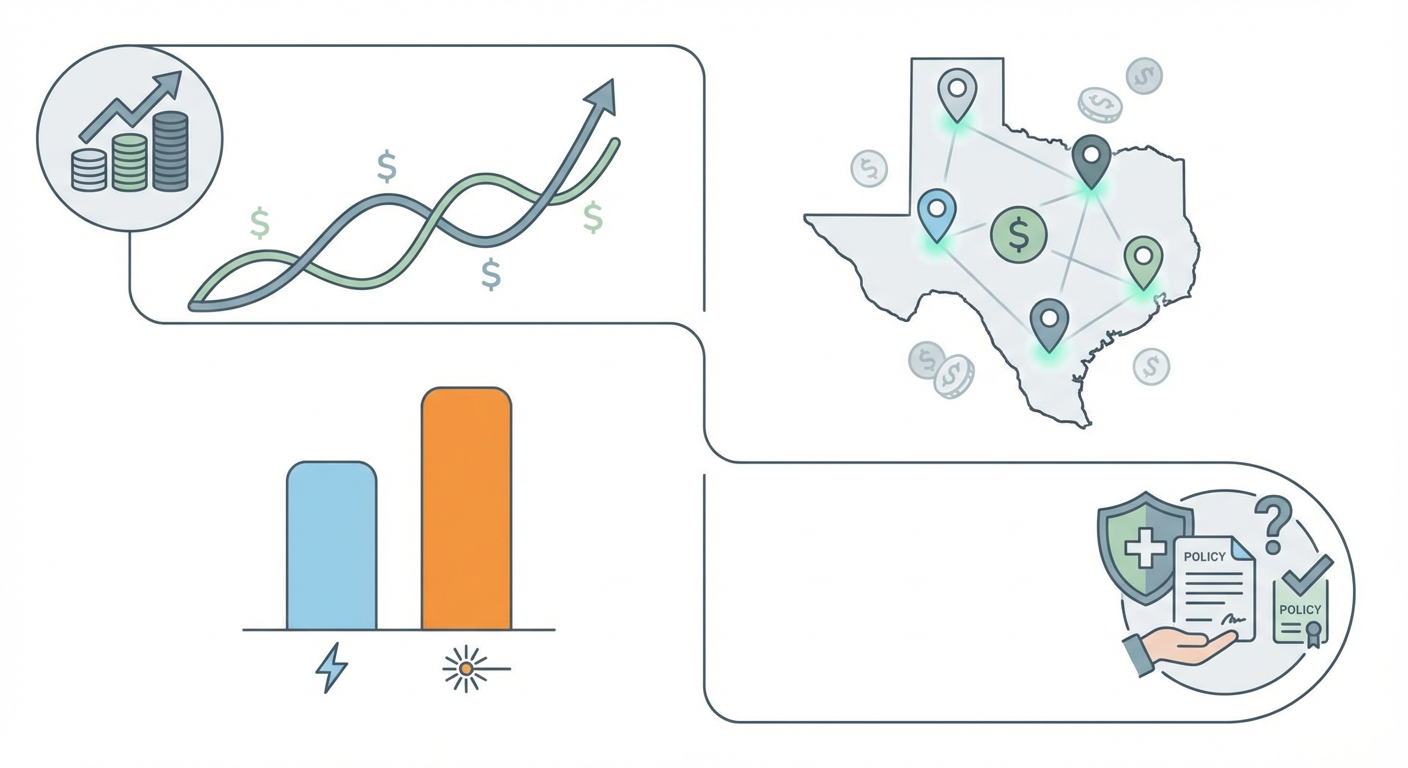
5. Cost Analysis and Investment Considerations
Understanding the financial implications of electrolysis hair removal is paramount for prospective clients, as the journey to permanent hair removal often represents a significant personal and monetary commitment. This section provides a comprehensive breakdown of typical electrolysis costs, including average per-session rates, total estimated treatment expenses, and a comparative analysis against alternative methods like laser hair removal. Special attention will be given to regional price variations, particularly within key cities in Texas, alongside a critical examination of insurance coverage policies. This detailed exploration aims to equip individuals with realistic expectations regarding the investment required for achieving permanent hair removal through electrolysis. From initial consultations to the cumulative cost of a complete treatment plan, every facet of expenditure will be scrutinized to offer a clear financial roadmap.
5.1. Typical Electrolysis Costs: Per-Session Rates and Total Investment
Electrolysis operates on a pay-per-session model, with costs primarily determined by the duration of each appointment and the overall number of sessions required to achieve permanent hair removal. This contrasts with package-based pricing often seen in laser hair removal. In the United States, current average rates for electrolysis sessions in 2024 range from approximately $90 to $180 per hour[8]. However, prices are often tiered, meaning shorter sessions (e.g., 15 or 30 minutes) may have a proportionally higher per-minute cost compared to a full hour. For instance, some clinics might charge around $30-$60 for a 15-minute session[11].
The total investment for a complete electrolysis treatment course is highly variable, influenced by several critical factors, including the area being treated, the hair’s density and coarseness, and the individual’s hair growth cycles. While individual session costs might seem modest, they accumulate over time due to the labor-intensive nature of electrolysis, which treats one hair follicle at a time. Clients typically require anywhere from 15 to 30 sessions to achieve permanent clearance in a given area[6]. These sessions are usually spaced weekly or bi-weekly, extending the treatment period to between 12 to 18 months or even longer[7].
Patient-reported data through platforms like RealSelf indicate that the average total cost for a full course of electrolysis treatment is approximately $1,193[12]. However, this average can be misleading, as considerable expenditure variations exist based on individual needs. Some patients report investing as much as $4,000 or more for extensive treatment series[12]. Industry guides corroborate this wide range, estimating an average treatment course around $500, but noting an extreme range from as low as $30 (for very minor areas or stray hairs) to as much as $10,000 for comprehensive and dense hair removal across larger body areas[13]. For example, clearing a dense beard for a transgender individual can easily incur costs exceeding $10,000 due to the large number of hours required for treatment[44]. Conversely, treating a few stray hairs on the chin or upper lip might only require a few hundred dollars. This highlights that the total cost is profoundly individualized, often directly proportional to the “clearance” time needed.
The global electrolysis hair removal market is substantial, valued at nearly $900 million in 2024 and projected to grow to approximately $1.4 billion by 2034, with a Compound Annual Growth Rate (CAGR) of 5.2%[4]. This steady growth, despite the significant time and cost investment, underscores the increasing consumer demand for permanent hair removal solutions and the perceived value of electrolysis results.
5.2. Regional Price Variations, Specifically in Texas
The cost of electrolysis services is markedly influenced by geographic location, reflecting differences in local demand, cost of living, practitioner experience, and competition. This regional variability is clearly evident within the state of Texas, where prices can differ significantly from one major city to another. Understanding these local nuances is crucial for individuals seeking to budget for their electrolysis journey.
As of 2024, hourly rates for electrolysis in Texas cities demonstrate a distinct spectrum:
- Houston: One prominent clinic in Houston lists its rates at approximately $125 for a one-hour session. Shorter sessions are also available, with a 15-minute appointment costing around $45[9]. This suggests a per-minute rate of approximately $2.08 for an hour session.
- Dallas: In Dallas, a well-known electrologist offers a more competitive rate of approximately $92 for a one-hour session[10]. This translates to roughly $1.53 per minute, making it comparatively more affordable than Houston for longer sessions.
- Austin: Austin’s pricing structure shows rates ranging from about $35 for a 15-minute session up to $105 for an hour[11]. This indicates flexibility in session lengths and pricing, potentially catering to clients with varying needs and budgets.
To illustrate these variations, consider the following table:
| Texas City | Estimated 15-Minute Session Cost | Estimated 1-Hour Session Cost | Approximate Per-Minute Rate (for 1-hour session) |
|---|---|---|---|
| Houston | ~$45[9] | ~$125[9] | ~$2.08 |
| Dallas | N/A (often higher proportional rate) | ~$92[10] | ~$1.53 |
| Austin | ~$35[11] | ~$105[11] | ~$1.75 |
These local differences underscore that individuals considering electrolysis should research and compare prices from multiple providers in their specific area. Factors like clinic reputation, practitioner experience, and the use of advanced equipment can also influence these local rates. For instance, a highly experienced electrologist using the latest computerized epilators might command higher prices than a newer practitioner or one utilizing older equipment.
5.3. Comparison with Laser Hair Removal Costs
When considering permanent hair removal, electrolysis is often compared with laser hair removal (LHR) concerning cost, efficacy, and suitability. While both aim to reduce unwanted hair, their mechanisms and consequently their cost structures and long-term value differ significantly.
5.3.1. Fundamental Differences in Efficacy and FDA Classification
The primary distinction lies in their official FDA classifications: electrolysis is recognized as the only method for “permanent hair removal,” meaning that once a follicle is treated, it is permanently destroyed and will not regrow hair[2]. Laser hair removal, on the other hand, is approved only for “permanent hair reduction,” implying a significant decrease in hair growth but not necessarily 100% removal, and often requiring periodic touch-up sessions[2].
5.3.2. Cost and Time Efficiency
For large body areas, laser hair removal often appears more cost-effective and time-efficient initially. A laser can treat hundreds of follicles simultaneously, covering expansive areas like the back or legs in a mere fraction of the time electrolysis would require[2]. A typical course of 6 laser sessions for both legs might range from $1,000 to $1,500 and can be completed within six months. In contrast, fully clearing both lower legs with electrolysis could demand dozens, if not hundreds, of hours of treatment spread over more than a year, potentially costing many times the laser equivalent.
However, for smaller, more precise areas, or for hair types unresponsive to laser, electrolysis’s cost-efficiency can become more favorable. Removing a few specific hairs from around a mole, or addressing stray hairs on the upper lip, might cost only a few hundred dollars with electrolysis. Laser clinics often have minimum charges or package deals that might make small-area treatment disproportionately expensive. Moreover, if an individual’s hair characteristics (e.g., blonde, grey, red, or very fine hair) make them an unsuitable candidate for laser, any investment in laser treatments would be ineffective, highlighting the superior versatility of electrolysis, which works on all hair colors and skin types[3].
5.3.3. Patient Satisfaction and Perceived Value
Patient satisfaction ratings on platforms like RealSelf provide further insight. Electrolysis holds a 67% “Worth It” rating among users, while laser hair removal boasts a higher 87% “Worth It” rating[14]. This discrepancy often stems from the faster perceived results and fewer sessions associated with laser hair removal, despite its non-permanent nature. However, for individuals seeking absolute, definitive hair removal, especially for specific conditions or hair types (e.g., hormonal hair growth, light-colored hairs, or precision shaping), the long-term permanent result of electrolysis often outweighs the extended time and cost commitment.
5.3.4. Combined/Hybrid Approaches
A growing trend involves a “hybrid” approach, combining both laser and electrolysis treatments. Dermatologists and practitioners increasingly recommend using LHR to initially reduce the bulk of dark, coarse hair on larger areas due to its speed and cost-effectiveness for such cases. Subsequently, electrolysis can be employed to permanently clear any remaining fine, light-colored, or resistant hairs that the laser could not effectively target. This strategy can optimize both time and total cost, leveraging the strengths of each method[43]. For example, one 2022 study suggested that for transgender patients preparing for vaginoplasty, laser should be considered first-line to reduce hair, reserving electrolysis for the remaining hairs that laser may miss[43].
5.4. Insurance Coverage for Electrolysis
One of the most significant financial considerations for individuals pursuing electrolysis is the near-universal lack of insurance coverage. Electrolysis is typically viewed as a cosmetic procedure, falling outside the purview of standard health insurance benefits, which primarily cover medically necessary treatments.
5.4.1. Cosmetic vs. Medical Classification
Health insurance plans generally categorize electrolysis as an elective aesthetic service, designed to improve appearance rather than address a medical condition. The American Medical Association (AMA) distinguishes between cosmetic (appearance-enhancing) and medically necessary (dysfunction-correcting) procedures. Since unwanted hair is rarely considered a medical illness needing intervention in the traditional sense, electrolysis is usually not covered.
5.4.2. Low Incidence of Coverage
A comprehensive study published in *JAMA Dermatology* in 2020 analyzed 174 health insurance policies, including private ACA plans and state Medicaid policies, revealing a stark reality: 95.4% of these policies explicitly excluded coverage for permanent hair removal, encompassing both electrolysis and laser treatments[17]. Only a meager 4.6% of plans offered any coverage without severe restrictions[18].
- The vast majority of the few policies that did allow coverage for hair removal (approximately 85%) did so almost exclusively for pre-operative procedures related to gender-affirming surgery[46]. This means insurance might cover electrolysis on areas destined for surgical reconstruction (e.g., genital hair removal before vaginoplasty) to prevent post-operative complications like infection or hair growth within new tissues[47], but not for general facial or body hair removal, even for transgender patients experiencing gender dysphoria.
- Private insurance plans in states with legislative protections against transgender exclusions were slightly more likely to offer coverage (13% vs. 2.4% in states without such protections)[48].
- State Medicaid programs showed the lowest propensity for coverage, with only 1 out of 51 policies allowing non-surgical electrolysis coverage[49].
These statistics unequivocally demonstrate that individuals seeking electrolysis should almost always anticipate paying for treatments out-of-pocket, unless they fall into a very specific, medically necessary category with stringent documentation.
5.4.3. Medical Necessity Exceptions and Advocacy
While rare, exceptions for medical necessity do exist. A dermatologist or endocrinologist might provide documentation arguing that permanent hair removal is crucial for health or well-being. Examples include:
- Individuals with severe hirsutism (excessive hair growth) due to conditions like Polycystic Ovary Syndrome (PCOS), where hair removal alleviates significant psychological distress or recurrent skin infections. Nicole Cook’s story (mentioned in the research text) is a testament to the life-changing impact of electrolysis for PCOS patients[54].
- Patients suffering from chronic ingrown hairs (pseudofolliculitis) or pilonidal cysts, where hair removal can prevent recurrent infections and inflammation.
- Transgender individuals, where facial or body hair contributes significantly to gender dysphoria. Although general facial hair removal for gender dysphoria is less commonly covered, pre-surgical hair removal is a more viable exception[47].
Even with such medical documentation, securing insurance coverage often involves a complex and lengthy process of pre-authorization, appeals for denied claims, and extensive communication between the patient, provider, and insurer. Some federal and state programs are beginning to recognize the importance of electrolysis in gender-affirming care, offering pathways for coverage, but these remain exceptions rather than the norm[50].
5.4.4. Financial Aid and Support Programs
Recognizing the significant financial burden and the lack of insurance coverage, various non-profit organizations and community initiatives have emerged to provide financial assistance. A notable example is the Point of Pride Electrolysis Support Fund. Since 2017, this program has awarded over $1.39 million in aid to 694 transgender individuals to cover electrolysis or laser hair removal costs[44]. These grants can range from hundreds to thousands of dollars, making a life-altering difference for recipients who otherwise could not afford treatment. This highlights an important aspect of the electrolysis landscape: while it remains largely an out-of-pocket expense, community-driven support systems are working to bridge the accessibility gap for those in critical need.
5.5. Frequently Asked Questions (FAQ) about Electrolysis Costs and Coverage
Is electrolysis hair removal permanent?
Yes. Electrolysis is the only hair removal method officially recognized by the U.S. FDA as “permanent hair removal.” It works by permanently destroying the hair growth cells within each follicle. Once a hair follicle is properly treated, that hair will not grow back[2].
Does electrolysis hurt or cause scars?
Most individuals tolerate electrolysis well. While you might experience a brief warming or stinging sensation during treatment, the Cleveland Clinic states the procedure is not painful and has no long-lasting side effects[15]. Temporary redness or slight swelling, similar to a mild sunburn, can occur immediately afterward. With proper technique and a sterile environment, scarring or infection is exceedingly rare. Topical numbing creams can be used to enhance comfort, particularly in sensitive areas.
How many sessions will I need, and how long does it take?
Electrolysis requires multiple sessions over time because hair grows in cycles, and only hairs in their active growth phase can be effectively treated. Most individuals need between 15 to 30 sessions for complete and permanent clearance of a specific area[6]. These sessions are typically scheduled weekly or bi-weekly over a period of 12 to 18 months, or sometimes longer, to catch all hairs as they enter their active growth phase[7].
Is electrolysis better than laser hair removal?
The “better” method depends entirely on individual needs and hair characteristics. Electrolysis is superior because it works on any hair color, thickness, or skin type, including blonde, gray, or very fine hairs that laser hair removal cannot effectively target due to its reliance on melanin pigment[3]. Electrolysis guarantees 100% permanent removal for treated follicles. Laser hair removal, while much faster for large areas and often preferred for dark, coarse hair on lighter skin, is classified as “permanent hair reduction” and may require touch-ups. Many practitioners recommend a hybrid approach: initially using laser for bulk reduction of dark hair, followed by electrolysis for fine-tuning and permanent removal of remaining or untargeted hairs.
Will insurance cover electrolysis?
Generally, no. Most insurance companies consider electrolysis a cosmetic or elective procedure and do not provide coverage. A 2020 study found that 95.4% of insurance policies exclude coverage for permanent hair removal[17]. Exceptions are rare and typically involve medically necessary situations, such as pre-surgical hair removal for gender-affirming surgeries, where it is required to prevent complications[47]. Even in these cases, coverage is not guaranteed and often requires extensive documentation and pre-authorization. Therefore, clients should budget for electrolysis as an out-of-pocket expense.
5.6. Conclusion and Transition
In conclusion, the cost of electrolysis represents a significant, yet often worthwhile, investment for those seeking genuinely permanent hair removal. While per-session rates in the U.S. average $90-$180 per hour, the cumulative total for a full treatment course can range from a few hundred to over $10,000, depending heavily on the area, hair density, and individual factors. Regional variations, such as those observed across Texas cities, further underscore the need for localized cost research. Compared to laser hair removal, electrolysis demands a greater time commitment and often a higher total cost for extensive areas, but it offers the unparalleled benefit of true permanence for all hair and skin types. The challenge of limited insurance coverage means that most clients will fund treatments out-of-pocket, necessitating careful financial planning. As we proceed to the next section, we will delve into the practical aspects of preparing for electrolysis, focusing on how individuals can maximize their treatment efficacy and ensure a comfortable experience, building upon the financial considerations explored here.
6. Electrolysis Cost in Texas by City
The decision to pursue permanent hair removal, while often driven by personal preference, medical necessity, or a combination of both, inevitably leads to a critical consideration: cost. Electrolysis, recognized by the FDA as the only truly permanent hair removal method, represents a significant time and financial investment. Understanding the economic landscape of electrolysis is crucial for prospective clients to plan effectively. This section delves into the specific financial realities of electrolysis in Texas, examining average hourly or session costs across major metropolitan areas like Houston, Dallas, and Austin, and highlighting the regional variations that influence pricing. Furthermore, it will explore the broader financial implications, including typical total treatment costs, the scarcity of insurance coverage, and commonly asked questions regarding the financial commitment required for this time-tested procedure. Electrolysis services operate on a pay-per-session model, with costs primarily determined by the duration of each treatment. While the national average for an hourly electrolysis session in the U.S. ranges from approximately $90 to $180 as of 2024[14], prices can fluctuate considerably based on factors such as the clinic’s location, the electrologist’s experience level, and the specific market dynamics of a given city. These variations are particularly evident within a large and diverse state like Texas, where major urban centers present distinct pricing structures that reflect their respective costs of living, demand, and competitive environments.
6.1. General Cost Structure of Electrolysis Sessions
Electrolysis treatments are typically structured around timed sessions, offered in increments such as 15, 30, 45, or 60 minutes. The pricing for these sessions can vary, with shorter durations sometimes having a higher proportional rate. For instance, a 15-minute session might be priced at $30–$60, while a full hour could range from $90–$120 or more[34]. It is important for clients to understand that the total cost of electrolysis is not merely the per-session fee, but the cumulative expense over many months, or even years, of regular appointments. Electrolysis is a labor-intensive process, treating one hair follicle at a time. This precision is what makes the method permanently effective, but it also dictates the need for multiple sessions to clear an area completely. Many clients require between 15 to 30 sessions over a period of 12 to 18 months to achieve full clearance, as hair must be treated during its active growth phase[10][11]. This extended treatment timeline means that even modest per-session fees can accumulate into a substantial total investment. For example, a weekly 30-minute session costing $60 would result in an annual expenditure of approximately $3,120, illustrating the long-term financial commitment involved. The average total cost for a full course of electrolysis treatment, according to patient-reported data on RealSelf, is around $1,193. However, this figure can range widely, with some individuals spending upwards of $4,000 for more extensive treatments[16]. Industry estimates provided by AEDIT suggest an average treatment course cost of about $500, but highlight an extreme range from as low as $30 to as high as $10,000, depending on the area, hair density, and number of required sessions[18]. This broad spectrum underscores the highly individualized nature of electrolysis costs, where treating a small, sparse area will naturally incur a much lower total cost than addressing dense hair growth over a large expanse.
6.2. Regional Price Differences in Texas
Texas, a state with diverse economies and populations, exhibits notable variations in electrolysis pricing across its major cities. These regional differences are influenced by various factors, including the local cost of living, the density of service providers, and the competitive market landscape for personal care services. Analyzing the average costs in Houston, Dallas, and Austin provides a clear picture of these city-specific pricing structures.
6.2.1. Houston Electrolysis Costs
Houston, as one of the largest cities in Texas and the United States, represents a significant market for electrolysis services. Data from local clinics indicate a specific pricing model. For example, one Houston-based clinic charges approximately $125 for a one-hour electrolysis session. Shorter sessions are also pro-rated, with a 15-minute session costing around $45[15]. This hourly rate translates to roughly $2.08 per minute. Given the need for multiple sessions, especially for larger areas or dense hair, securing permanent hair removal in Houston can amount to a considerable sum. For instance, a client requiring 20 hours of treatment over the course of a year would be looking at a total expenditure of around $2,500 based on this hourly rate.
6.2.2. Dallas Electrolysis Costs
In Dallas, another major Texan metropolis, electrolysis pricing can be somewhat more competitive than in Houston, reflecting different market dynamics. One prominent Dallas electrologist, for example, offers an hourly session for approximately $92[14][17]. This rate is notably lower than the Houston example, equating to about $1.53 per minute. Such a difference could make Dallas a more attractive option for individuals seeking more extensive treatments, depending on the travel logistics and overall convenience. A full course of treatment requiring 20 hours would cost approximately $1,840 at this Dallas clinic, representing a saving of $660 compared to the Houston example.
6.2.3. Austin Electrolysis Costs
Austin, known for its vibrant culture and rapidly growing tech sector, presents another distinct pricing profile for electrolysis services. In Austin, typical rates for electrolysis sessions range from approximately $35 for a 15-minute session up to $105 for an hour[14][19]. This hourly rate of $105 sits between the reported prices for Houston and Dallas, equating to $1.75 per minute. The availability of diverse pricing points, including relatively affordable shorter sessions, allows clients in Austin to tailor their treatment schedules and financial outlays more precisely to their needs and budget. For a 20-hour treatment plan, the cost in Austin would be around $2,100, positioning it as a mid-range option compared to its Texan counterparts. The following table summarizes the reported hourly rates for electrolysis in these major Texas cities, providing a clear comparison:
| City | Average Hourly Rate (Approx.) | Cost Per Minute (Approx.) | Source |
|---|---|---|---|
| Houston | $125 | $2.08 | Houston Electrolysis Clinic[15] |
| Dallas | $92 | $1.53 | Sandra’s Electrolysis[17] |
| Austin | $105 | $1.75 | AEDIT[19] |
These regional differences highlight the importance of thorough research when considering electrolysis. Prospective clients should consult with multiple providers in their area to compare pricing, assess the electrologist’s experience and credentials, and obtain a personalized estimate for their specific treatment needs.
6.3. Total Treatment Costs and Long-Term Value
While individual session costs provide a snapshot, the true financial commitment of electrolysis lies in the total cost of a complete treatment course. As previously noted, this can vary dramatically, from a few hundred dollars for small, targeted areas to several thousand for extensive hair removal. RealSelf patient data indicates an average total expenditure of $1,193, with some patients reporting costs up to $4,000 for comprehensive treatment series[16]. Industry guides even suggest that in extreme cases, especially for near full-body hair removal, costs could reach $10,000 or more[18]. For example, a transgender woman undergoing extensive facial and neck hair removal prior to gender-affirming surgery might require well over 100 hours of treatment. At an average rate of $100 per hour, this would amount to $10,000, underscoring the significant financial planning required for such a transition. Despite the upfront investment, many electrologists and long-term clients frame electrolysis as a worthwhile investment. The “permanence” aspect means that once hair is removed, the ongoing costs associated with temporary methods like shaving, waxing, or laser touch-ups are eliminated. Over a lifetime, these recurring expenses can accumulate significantly. For an individual who consistently spends money on monthly waxing appointments, or replaces razors and shaving creams regularly, the long-term cumulative cost can easily surpass the one-time investment in electrolysis. A common strategy to manage these costs is a hybrid approach, combining laser hair removal with electrolysis. For individuals with large areas of dark, dense hair, laser can be a more time and cost-efficient initial step to reduce the bulk of hair. Once the hair is thinned and any remaining lighter or finer hairs are present, electrolysis can then be utilized to achieve complete and permanent removal[44]. This mixed modality approach can potentially lower the overall cost by reducing the total number of electrolysis hours required. While comparative data suggests laser hair removal often has a higher “Worth It” rating (87% vs. 67% for electrolysis on RealSelf) due to its speed for large areas, electrolysis remains the gold standard for absolute permanence and for individuals with hair types not amenable to laser treatment (e.g., blonde, gray, red hair)[13][22].
6.4. Insurance Coverage for Electrolysis
One of the most significant financial challenges for individuals pursuing electrolysis is the almost universal lack of insurance coverage. Electrolysis is primarily classified by insurance companies as a cosmetic or elective procedure, meaning it is not considered medically necessary and, therefore, is typically excluded from coverage. This requires the vast majority of patients to absorb the full cost of treatment out-of-pocket, which can be a substantial financial burden. A comprehensive study published in *JAMA Dermatology* in 2020 meticulously analyzed 174 health insurance policies, including private Affordable Care Act (ACA) plans and state Medicaid programs, to assess coverage for permanent hair removal[20]. The findings were stark: an overwhelming 95.4% of these policies explicitly excluded coverage for permanent hair removal, encompassing both electrolysis and laser treatments[21]. Only a minuscule 4.6% of the policies offered any form of coverage without severe restrictions[22]. Further analysis of these limited coverage policies revealed that when coverage was provided, it was almost exclusively tied to medically necessary situations, particularly for gender-affirming care. Specifically, approximately 85% of policies that did allow for hair removal coverage did so only when it was pre-operative preparation for gender-affirming surgery[46]. This means insurance might cover electrolysis for areas that will be part of a surgical site (e.g., genital hair removal before vaginoplasty) to prevent post-operative complications, but not for general facial hair removal, even for transgender patients struggling with gender dysphoria. State Medicaid programs were even more restrictive, with only one out of 51 state Medicaid policies allowing coverage for non-surgical electrolysis[48]. These statistics underscore a critical reality: anyone considering electrolysis should budget for the entire cost independently, as securing insurance coverage is highly unlikely unless specific, strict medical necessity criteria are met and documented by medical professionals. Even in cases where medical necessity can be argued (e.g., severe hirsutism due to PCOS, chronic ingrown hairs causing infection), insurers often require extensive pre-authorization processes and may still deny claims. However, it is always advisable to check with one’s individual insurance provider, as policies can vary, and some progress is being made in advocating for coverage in gender-affirming care.
6.5. Affordability and Support Mechanisms
Recognizing the significant financial barrier that electrolysis can present, many electrology clinics and non-profit organizations are striving to make treatments more accessible. Clinics often offer flexible payment options, such as pay-as-you-go systems per session, which can help clients manage ongoing costs without a large upfront payment. Some clinics also provide package deals or discounts for purchasing multiple hours or sessions in advance, which can reduce the per-hour rate over time. While spacing appointments too far apart can prolong the treatment timeline, it can also be a viable strategy for clients on tighter budgets. Beyond individual clinics, non-profit initiatives like the Point of Pride Electrolysis Support Fund play a crucial role in providing financial assistance to individuals who otherwise could not afford permanent hair removal. Specifically targeting transgender individuals, this fund has awarded nearly $1.4 million in aid to 694 recipients for electrolysis or laser hair removal costs by 2025[42][43]. These grants, which can range from hundreds to over ten thousand dollars depending on the extent of treatment needed, highlight the profound need for financial support for those seeking medically necessary or gender-affirming hair removal. The overwhelming demand for such programs underscores the financial strain individuals face in accessing these services. This type of support mechanism is vital because, for many, electrolysis is not merely a cosmetic choice but a critical component of their physical and mental well-being and gender affirmation.
6.6. Conclusion
The cost of electrolysis in Texas, much like across the United States, is a multifaceted issue influenced by geographic location, the intensity of treatment, and the prevailing market conditions. While national averages exist, a closer examination of major Texas cities reveals distinct pricing structures: Houston tending towards the higher end ($125/hour), Dallas offering more competitive rates ($92/hour), and Austin falling in the middle ($105/hour)[15][17][19]. These hourly rates, when multiplied by the 15-30 sessions required for permanent clearance, translate into a substantial financial commitment that can range from hundreds to several thousands of dollars, with patient-reported averages around $1,193 for a full course of treatment[16]. A critical aspect of the financial landscape is the near-total absence of insurance coverage for electrolysis, as it is largely deemed a cosmetic procedure. A 2020 study revealed that over 95% of health policies exclude permanent hair removal, with rare exceptions primarily tied to pre-operative gender-affirming care[20][21]. This necessitates that most individuals budget for and entirely self-fund their treatments. However, the long-term value proposition of permanent hair removal, coupled with increasing availability of payment plans and philanthropic support like the Point of Pride fund, can mitigate some of these financial barriers. Ultimately, understanding these cost factors, including regional variances and insurance limitations, is indispensable for anyone considering electrolysis as a pathway to permanent freedom from unwanted hair. **FAQ about Electrolysis Cost**
Is electrolysis hair removal permanent?[25]
Yes. Electrolysis is the only method recognized by the FDA as truly permanent hair removal. It works by destroying the hair growth cells, preventing treated hairs from ever growing back. Laser hair removal, by contrast, is classified as permanent *reduction* and may require touch-ups[26].
Does electrolysis hurt or cause scars?[27]
Most people tolerate electrolysis well, describing a brief warming or stinging sensation per follicle. The Cleveland Clinic states it is generally “not painful” and has “no lasting side effects”[27]. Temporary redness or swelling can occur, but with proper technique and sterile probes, scarring or infection is exceedingly rare. Topical numbing creams can be used to enhance comfort.
How many sessions will I need?[28]
The exact number varies, but most clients require between 15 to 30 sessions to achieve complete permanent clearance of an area. This is because hair grows in cycles, and only hairs in the active growth phase can be effectively treated. Sessions are typically scheduled weekly or biweekly over 12–18 months[29] to catch hairs as they cycle through to the active phase.
Is electrolysis better than laser hair removal?[30]
It depends on individual needs. Electrolysis works on all hair colors and skin types, even blonde, gray, or fine hairs that lasers miss, and achieves 100% permanent removal[31]. Laser is faster for large areas and effective for pigmented hair but is considered “permanent reduction.” Many combine both: laser first for bulk reduction of dark hair, then electrolysis for lighter hairs or total clearance[30]. While laser often has higher patient satisfaction ratings due to speed, electrolysis is the gold standard for absolute permanence regardless of hair characteristics[32].
Will insurance cover electrolysis?[33]
Usually not. Most insurance plans classify electrolysis as a cosmetic procedure and explicitly exclude coverage. A 2020 study found over 95% of policies did not cover permanent hair removal (electrolysis or laser)[20]. Rare exceptions may include medically necessary situations, such as pre-surgical hair removal for gender-affirming procedures, but even then, policies are often very restrictive[33][45]. Most patients should plan for out-of-pocket expenses.
7. Insurance Coverage and Medical Necessity
The journey to permanent hair removal through electrolysis often involves a significant investment of time and money, leading many prospective clients to inquire about insurance coverage. Unfortunately, for the vast majority of individuals, electrolysis is considered a cosmetic procedure by health insurance providers, and as such, it is rarely covered. This classification places the financial burden squarely on the patient, necessitating out-of-pocket payment in most instances. However, there are limited, yet crucial, exceptions where medical necessity, particularly in the context of gender-affirming care or specific medical conditions, can open avenues for partial or even full coverage. Understanding these nuances is critical for individuals navigating the cost implications of electrolysis.
The perception of electrolysis primarily as an aesthetic enhancement, rather than a medical treatment, largely dictates insurer policies. This perspective contrasts with the historical origins of electrolysis, which was first utilized by Dr. Charles Michel in 1875 to treat a genuine medical condition: ingrown eyelashes (trichiasis) that threatened a patient’s vision [1]. While its effectiveness in addressing such medical issues was proven from its inception, its rapid adoption for addressing superfluous hair quickly shifted its primary application into the cosmetic realm. Today, despite its proven efficacy and FDA classification as the only method for permanent hair removal [2], insurance companies maintain a restrictive stance.
This section will delve into the intricacies of insurance coverage for electrolysis, examining the predominant reasons for exclusion, outlining the rare scenarios where coverage may apply, and discussing the ongoing advocacy for its recognition as medically necessary in certain contexts, particularly for transgender individuals. We will also touch upon the financial implications for patients given the current insurance landscape.
7.1. The Predominant Exclusion: Electrolysis as a Cosmetic Procedure
The overwhelming consensus among health insurance providers is that electrolysis falls under the category of cosmetic or elective procedures. This distinction serves as the primary barrier to coverage for most individuals seeking permanent hair removal. Cosmetic procedures are generally those performed to improve appearance without addressing an underlying medical condition or functional impairment. Since unwanted hair, in most cases, is not deemed a medical illness or a threat to health, insurance companies typically exclude electrolysis from their covered benefits.
A comprehensive study conducted in 2019-2020 critically examined 174 different health insurance policies, including private Affordable Care Act (ACA) plans and state Medicaid programs, to assess their coverage of permanent hair removal, encompassing both electrolysis and laser hair removal [16]. The findings were stark: a staggering 95.4% of these policies explicitly excluded coverage for permanent hair removal or imposed such severe restrictions that coverage was practically non-existent [17]. This demonstrates an almost universal policy position among insurers to deny claims for these procedures. Only a minuscule 4.6% of plans offered any coverage without considerable restrictions [18]. This data underscores that patients should, by default, expect to finance electrolysis procedures entirely out-of-pocket unless they meet very specific, narrow criteria for medical necessity.
The American Medical Association (AMA) defines cosmetic procedures as those performed solely to enhance aesthetic appeal, contrasting them with medically necessary procedures that aim to correct a dysfunction or treat a disease. Within this framework, superfluous hair, while potentially causing psychological distress or inconvenience, is generally not classified as a medical pathology by insurers. Consequently, the onus is on the individual to absorb the costs, which can be substantial given the nature of electrolysis as a time-intensive, session-based treatment. RealSelf patients, for example, report an average total cost of $1,193 for a complete course of electrolysis, with some investing $4,000 or more for extensive treatment areas [13]. Industry estimates for a full treatment course span an even broader range, from approximately $500 to potentially $10,000, depending on the area, density of hair, and number of sessions required [14]. These figures highlight the significant financial barrier posed by the lack of insurance coverage.
7.2. Medical Necessity: Rare Pathways to Coverage
Despite the general reluctance of insurers to cover electrolysis, certain rare circumstances can elevate the procedure from a cosmetic one to a medically necessary treatment, thereby opening a limited pathway to insurance coverage. These exceptions typically require extensive documentation and advocacy from medical professionals and the patient. While still uncommon, these instances represent critical avenues for individuals facing genuine health concerns or those undergoing significant medical transitions.
7.2.1. Gender-Affirming Care
One of the most prominent and increasingly recognized areas where electrolysis gains medical necessity status is within the context of gender-affirming care, particularly for transgender individuals. For trans women (MTF), permanent facial hair removal is often a deeply personal and medically beneficial step in alleviating gender dysphoria. The presence of facial hair can be a significant source of distress, affecting mental health and hindering social integration in their affirmed gender. Up to 85% of transgender women express a desire for permanent hair removal to align their physical appearance with their gender identity [34].
More critically, electrolysis is deemed medically necessary when required as a preparatory step for certain gender-affirming surgeries, such as vaginoplasty or phalloplasty [35]. In these procedures, any hair-bearing skin used for reconstruction (e.g., from the scrotum or penile skin for vaginoplasty, or forearm/thigh grafts for phalloplasty) must be thoroughly cleared of hair to avert severe post-operative complications [36]. These complications can include hair growing internally, leading to cysts, infections, pain, and hygiene issues in reconstructed genital areas. The World Professional Association for Transgender Health (WPATH) Standards of Care recommend hair removal prior to such surgeries to mitigate these risks [35]. In these specific pre-surgical contexts, electrolysis is not merely cosmetic; it is a vital component of successful and complication-free surgical outcomes. Surgeons often mandate several months of preparatory electrolysis for the donor sites.
The 2020 *JAMA Dermatology* study illustrated this critical distinction in insurance policies. While 95.4% of plans generally excluded permanent hair removal, the study found that approximately 85% of the policies that did offer some form of hair removal coverage restricted it solely to pre-operative contexts for gender-affirming surgery [44]. This implies coverage would extend to electrolysis on, for example, genital skin prior to vaginoplasty, but not on facial hair for a transgender patient even if it is a significant source of gender dysphoria. Moreover, the study noted that private insurance plans in states with anti-discrimination laws protecting transgender individuals were slightly more likely to provide coverage (13%) than those in states without such protections (2.4%) [45]. State Medicaid programs were notably less comprehensive, with only 1 out of 51 state Medicaid policies allowing non-surgical electrolysis coverage [46].
Advocacy efforts have led to some federal and state programs, including certain state Medicaid plans, explicitly covering electrolysis for transgender patients when specific medical criteria for gender dysphoria treatment are met [47]. However, these are still considered exceptions and require a rigorous pre-authorization process, including letters of medical necessity from referring physicians or mental health professionals. Despite these limited successes, significant disparities in access and coverage persist.
7.2.2. Medically Relevant Conditions
Beyond gender-affirming care, electrolysis may also be considered medically necessary for individuals suffering from specific conditions where unwanted hair causes legitimate health problems. These scenarios are even rarer but can include:
- Severe Hirsutism Related to Polycystic Ovary Syndrome (PCOS) or other Endocrine Disorders: While most cases of hirsutism are treated as cosmetic, in instances where excess hair growth is particularly severe, causing recurrent skin infections, abscesses, or significant psychological distress documented by a physician, a case for medical necessity might be made. For example, Nicole Cook, a woman with PCOS, experienced such severe facial hirsutism that it led to scarring and hyperpigmentation from constant temporary hair removal methods [63]. Her successful treatment with electrolysis ultimately led her to become a certified electrologist herself [64].
- Pilonidal Cysts and Recurrent Infections: Hair in certain body areas, particularly the sacrococcygeal region, can lead to the formation of pilonidal cysts and severe recurrent infections. In such cases, permanent hair removal could be prescribed as a preventive medical intervention to eliminate the root cause of these painful and debilitating conditions.
- Trichiasis and Distichiasis: As mentioned, the very first application of electrolysis by Dr. Michel was for trichiasis (ingrown eyelashes) [1]. These conditions, where eyelashes grow inwards or in abnormal directions, can scratch the cornea, leading to chronic irritation, pain, infection, and potentially vision impairment. In such cases, electrolysis is unequivocally a medical necessity to protect eye health.
- Hair Growth Causing Surgical Complications: Similar to gender-affirming surgeries, other reconstructive or medical procedures might require de-hairing of a skin graft site to prevent complications. For example, skin flaps taken from hairy parts of the body for nasal or oral cavity reconstruction might necessitate electrolysis to prevent hair growth in the new anatomical location, which could cause irritation or hygiene issues.
Even in these medically relevant scenarios, obtaining insurance coverage remains an uphill battle. It typically requires detailed letters of medical necessity from dermatologists, endocrinologists, or other specialists, outlining the specific medical condition, previous failed treatments, and why electrolysis is the most appropriate and medically necessary intervention. Insurers often employ stringent criteria and a lengthy pre-authorization and appeals process, making it challenging for patients and providers alike.
7.3. Financial Implications and Assistance Programs
Given the limited insurance coverage, most individuals pursuing electrolysis must prepare for significant out-of-pocket expenses. The total cost can accumulate quickly due to the labor-intensive, follicle-by-follicle nature of the treatment, which requires multiple sessions over an extended period. Many clients need 15–30 sessions over 12–18 months for complete clearance of an area [7][8].
7.3.1. Cost Breakdown
In the U.S., the average cost for an electrolysis session ranges from $90 to $180 per hour as of 2024 [9]. However, prices vary considerably by location and clinic. For instance, in Texas:
- A Houston clinic charges approximately $125 for a one-hour session, with a 15-minute session costing around $45 [10].
- In Dallas, some electrologists offer an hour-long session for about $92 [11].
- Austin rates typically range from around $35 for a 15-minute session up to $105 for an hour [12].
When considering that a full course of treatment can span many hours, the cumulative costs become substantial. For example, if a client attends weekly 30-minute sessions at $60 per session for a year, the total amounts to over $3,000. For more extensive or dense areas, the total can reach $4,000 or more, and in extreme cases, an industry guide estimates up to $10,000 [14]. This financial commitment highlights why insurance coverage, even partial, is so eagerly sought.
Comparison with laser hair removal costs often reveals that laser can be initially cheaper for large areas because it treats many follicles simultaneously. A package of 6 laser sessions for both legs, for instance, might cost $1,000–$1,500. However, laser only achieves “permanent reduction” and is limited by hair color and skin type, whereas electrolysis offers true “permanent removal” for all hair types [2]. Many practitioners suggest a blended approach, using laser to reduce bulk hair first, then finishing with electrolysis on remaining or finer hairs to optimize cost-effectiveness and achieve complete permanence [56].
7.3.2. Patient Resources and Assistance
Recognizing the financial strain, many electrolysis clinics offer various payment options, including pay-per-session models or package discounts for multiple sessions. While this helps manage costs, it doesn’t alleviate the overall burden. In response to this need, particularly within the transgender community where electrolysis is often central to medical transition, non-profit organizations have stepped in to provide financial aid.
A notable example is the Point of Pride Electrolysis Support Fund. Since its inception, this program has awarded nearly $1.4 million in financial assistance to 694 transgender individuals specifically for electrolysis or laser hair removal [65]. These grants range from hundreds to over $10,000, depending on the recipient’s needs and the extent of hair removal required [66][67]. For persons like “Aqua,” who received nearly $11,000, such assistance is life-changing, enabling access to treatments that would otherwise be financially out of reach [68]. This initiative not only provides tangible support but also underscores the significant and often unmet need for financial assistance for procedures deemed medically necessary by the community but not by most insurers.
7.4. FAQ about Insurance Coverage for Electrolysis
Google often features direct answers to common questions at the beginning of search results. Here’s how FAQs relevant to electrolysis insurance coverage might appear:
- Will insurance cover electrolysis? – Usually not. Most insurance companies classify electrolysis as a cosmetic or elective procedure and explicitly exclude it from coverage. A 2020 study found that 95% of health plans do not cover permanent hair removal (electrolysis or laser), except in very specific, restrictive circumstances [21].
- When might electrolysis be covered by insurance? – Coverage is rare but possible in cases of medical necessity. The most common exception is for hair removal required pre-operatively for gender-affirming surgeries (like vaginoplasty or phalloplasty) to prevent post-surgical complications [22]. Rarely, severe medical conditions causing problematic hair growth (e.g., specific cases of hirsutism leading to infection, pilonidal cysts, or trichiasis) may also qualify if a doctor provides strong medical justification and letters of necessity.
- Does my insurance cover electrolysis for gender dysphoria? – Some, but not all, insurance plans may cover electrolysis if it is explicitly deemed medically necessary as part of gender-affirming care for gender dysphoria. However, coverage is often limited to specific areas (e.g., pre-surgical sites) and may require extensive documentation, pre-authorization, and appeals. It’s crucial to contact your specific insurer directly and review your policy fine print.
- How do I find out if my insurance covers electrolysis? – You should directly contact your insurance provider (the number is usually on your insurance card) and inquire about coverage for “permanent hair removal” or specific CPT codes that your electrologist might use. It is important to ask about medical necessity criteria, pre-authorization requirements, and any exclusions related to cosmetic procedures. Obtaining this information in writing is advisable.
- What if my insurance denies coverage? – If your claim for electrolysis is denied, you typically have the right to appeal the decision. This often involves submitting additional documentation, including detailed letters of medical necessity from your doctors explaining why the procedure is essential for your health or well-being, not just cosmetic. Some legal and patient advocacy organizations can assist with the appeals process.
7.5. The Future of Coverage and Advocacy
The current landscape for electrolysis insurance coverage is largely dictated by its classification as cosmetic, leaving most patients to bear the full financial burden. However, advocacy efforts, particularly within the transgender healthcare movement, are continually working to shift this paradigm. Recognizing electrolysis as a crucial component of medically necessary care for gender dysphoria, or for other documented medical conditions, is an ongoing struggle.
The very limited coverage offered by some policies for pre-surgical electrolysis in gender-affirming care, as highlighted by the *JAMA Dermatology* study, represents a crack in the wall of cosmetic exclusion [44]. As medical understanding of gender dysphoria deepens and more robust clinical guidelines emerge, there is hope for broader recognition of the medical necessity of hair removal in such contexts. Organizations like Point of Pride exemplify how community action is filling critical gaps in coverage, providing financial lifelines to those in need [65].
Ultimately, a significant change in insurance policy would likely require a re-evaluation by professional medical organizations and policymakers to officially classify electrolysis as a reimbursable medical procedure under specific, well-defined circumstances. Until then, prospective electrolysis clients must remain diligent in researching their individual insurance policies, understanding the rare pathways to coverage, and planning for out-of-pocket expenses while exploring available financial assistance programs.
The evolution of electrolysis, from a medical necessity for ingrown eyelashes to a widely used cosmetic procedure, and now back to being recognized for its medical necessity in specialized contexts, reflects a dynamic interplay between medical advancement, societal needs, and economic realities. Navigating this intricate landscape requires informed decision-making and preparedness for the financial investment involved.
8. Market Trends and Patient Satisfaction
The landscape of permanent hair removal is characterized by a dynamic interplay of technological advancements, evolving consumer preferences, and rigorous clinical validation. Within this environment, electrolysis has not only sustained its foundational role despite being a century-old method but continues to demonstrate steady market growth, reflecting its unique position as the only FDA-approved method for permanent hair removal [2]. This section delves into the current market trends shaping the electrolysis hair removal industry, including its global market expansion and the rise of at-home devices, while also providing a comprehensive analysis of consumer satisfaction ratings and the multifaceted factors influencing patient perceptions. Understanding these trends and individual experiences is crucial for grasping electrolysis’s enduring appeal and challenges in a competitive aesthetic market. ### 8.1 Global Market Growth and Emerging Trends The global electrolysis hair removal market is experiencing robust and consistent growth, underscoring a persistent demand for definitive hair removal solutions. Valued at approximately **$892 million in 2024**, this market is projected to expand significantly, reaching an estimated **$1.407 billion by 2034**, at a Compound Annual Growth Rate (CAGR) of **5.2%** [8]. This growth trajectory is fueled by several key factors, including rising beauty consciousness, increasing disposable incomes, and a growing consumer preference for long-term or permanent solutions over temporary ones [8]. This upward trend occurs even amidst intense competition from other hair removal modalities, particularly laser hair removal and intense pulsed light (IPL). The resilience of the electrolysis market can be attributed to its fundamental advantages: it is universally effective across all hair colors, thicknesses, and skin types, making it an indispensable option for individuals for whom laser is not suitable, such as those with blonde, gray, or red hair [3]. #### 8.1.1 Drivers of Market Expansion Several factors are propelling the growth of the electrolysis market: * **Demand for Permanent Solutions:** Consumers are increasingly seeking solutions that offer true permanence, avoiding the continuous expense and effort associated with temporary methods like shaving, waxing, or even laser hair reduction which often requires periodic touch-ups [1]. Electrolysis, with its FDA classification as “permanent hair removal,” meets this critical consumer need [2]. * **Universal Applicability:** Unlike laser hair removal, which relies on melanin pigment to target hair follicles and is thus less effective on lighter hair colors and can pose risks for certain skin tones, electrolysis’s mechanism directly destroys the hair follicle regardless of hair color or skin type [3]. This broad applicability ensures a consistent client base, including individuals with hormonal hair growth (e.g., PCOS patients) or those in gender-affirming care who require comprehensive hair removal regardless of hair pigment [14]. * **Technological Advancements:** Modern electrolysis machines incorporate sophisticated technologies, including various modalities (galvanic, thermolysis, and blend) and computerized controls that enhance precision, speed, and patient comfort [19]. These refinements have made the procedure more appealing and efficient than historical practices, where a single hair could take “a few minutes” to treat [20]. Contemporary computerized epilators can now destroy a follicle in a fraction of a second, significantly improving the overall treatment experience [20]. * **Increasing Awareness and Acceptance:** As awareness of transgender health and gender-affirming care grows, so does the demand for electrolysis. Hair removal is a critical step for many transgender individuals, especially for facial hair or pre-surgical preparation, where its permanence is medically necessary to prevent post-operative complications [38]. This demographic represents a significant and medically-driven subset of the market. * **Rise of At-Home Devices:** A notable trend contributing to overall sector growth is the increasing popularity of at-home electrolysis devices [9]. These devices cater to a DIY beauty trend and offer a more private, cost-effective alternative for some consumers. While professional treatment remains the gold standard due to the precision and skill required, these at-home options broaden market accessibility, albeit with potential variations in efficacy and safety. Experts, however, caution that proper user training is essential for both safety and achieving effective results with these devices [17]. #### 8.1.2 Market Categorization and Segments The global market growth can be segmented by various factors, including application, end-use, and region. While detailed segmentation data is beyond the current scope, the increasing adoption of electrolysis in aesthetic clinics, dermatology centers, and specialized electrolysis salons worldwide contributes to its consistent performance. North America and Europe remain significant markets, reflecting established beauty industries and advanced healthcare systems that facilitate access to such procedures [9]. Emerging markets are also contributing, driven by rising beauty consciousness and disposable incomes. ### 8.2 Average Cost of Electrolysis in Texas: A City-by-City Analysis The cost of electrolysis is a significant consideration for many prospective patients, especially given that insurance coverage is rare. In the United States, the average hourly session cost for electrolysis typically ranges from **$90 to $180** as of 2024 [11]. However, these figures can vary substantially based on geographical location, the experience of the electrologist, and the specific clinic’s pricing structure [12]. Texas provides a pertinent example of this regional variation, with distinct price differences observed across its major cities. This highlights how local economic conditions, competition among practitioners, and the cost of living influence service fees. | City (Texas) | Average 1-Hour Session Cost | Note | Source | | :———– | :————————– | :————————————— | :——————- | | **Houston** | ~$125 | Approximately $45 for 15 minutes [13] | Houston Electrolysis Clinic [13] | | **Dallas** | ~$92 | Rates can vary by practice [14] | Sandra’s Electrolysis [14] | | **Austin** | ~$105 | Ranges from ~$35 for 15 minutes [15] | AEDIT [15] |
Table 8.1: Average Electrolysis Session Costs in Major Texas Cities (as of 2024) As seen in Table 8.1, Dallas appears to offer a slightly more economical hourly rate compared to Houston and Austin. These differences are generally tied to local demand, the availability of qualified practitioners, and the general operating costs for businesses in those metropolitan areas. For instance, a Houston clinic charging $125 for an hour equates to roughly $2 per minute [13], whereas a Dallas electrologist offering an hour for $92 is approximately $1.50 per minute [14]. Austin’s pricing structure, which explicitly lists both 15-minute (~$35) and hourly (~$105) rates, demonstrates a common practice where shorter sessions may sometimes carry a slightly higher proportional cost [15]. It is crucial to consider that these are per-session costs. The total investment for complete permanent hair removal is significantly higher due to the labor-intensive nature of electrolysis. Patients typically require **15 to 30 sessions** over a period of **12 to 18 months** to fully clear a given area [16],[17]. RealSelf patients report spending an average of **$1,193** for a full course of electrolysis treatments, though this can range upwards of **$4,000** for more extensive or challenging cases [18]. An industry guide even estimates a potential range from ~$30 up to $10,000 depending on the area and hair density [19]. This substantial total investment, spread over numerous appointments, underlies the importance of clear pricing and expectation setting during initial consultations. ### 8.3 Insurance Coverage: A Significant Hurdle Despite its proven efficacy and designation as a permanent hair removal method, electrolysis is rarely covered by health insurance plans. This remains a significant barrier to access for many individuals seeking this treatment. #### 8.3.1 Cosmetic vs. Medical Classification The primary reason for the lack of coverage stems from how most insurance providers classify electrolysis: as a **cosmetic or elective procedure** [23]. Health insurance is typically designed to cover medically necessary services that treat illness or injury. Since unwanted hair is generally not considered a disease, electrolysis falls outside the scope of most standard benefits. This stance is largely consistent across the industry, even for procedures that can significantly improve quality of life or mental health. #### 8.3.2 Research Findings on Coverage Gap A comprehensive study conducted between 2019 and 2020, which analyzed 174 health insurance policies (including both private Affordable Care Act (ACA) plans and state Medicaid programs), revealed a stark reality: * **95.4% of policies explicitly excluded coverage for permanent hair removal**, encompassing both electrolysis and laser treatments [21],[22]. * Only a meager **4.6% of policies** offered any coverage for hair removal without implementing restrictive criteria [21]. * Among the few policies that did provide coverage, approximately **85% limited it to pre-operative preparation for gender-affirming surgeries** [51]. This means coverage would apply to areas like genital skin prior to vaginoplasty (to prevent hair-related complications) but generally not for facial hair removal, even for transgender patients experiencing severe gender dysphoria [52]. * Private plans in states with legislative protections against transgender exclusions showed a slightly higher (13%) likelihood of coverage compared to states without such protections (2.4%) [53]. * Medicaid programs proved to be the least supportive, with only 1 out of 51 state Medicaid policies allowing non-surgical electrolysis coverage [54]. These statistics underscore a clear pattern: individuals seeking electrolysis should almost always budget for **out-of-pocket expenses** [23]. Recouping costs through insurance is an exception, typically requiring stringent medical justification and a lengthy pre-authorization and appeals process. #### 8.3.3 Medical Necessity Exceptions Despite the widespread exclusion, there are very specific scenarios where electrolysis may be deemed medically necessary, potentially opening a pathway for coverage: * **Gender-Affirming Care:** As highlighted by the JAMA Dermatology study, electrolysis for pre-surgical hair removal (e.g., genital electrolysis before vaginoplasty or phalloplasty) is the most common medical indication. This is because hair growth in skin grafts can lead to serious post-operative complications like infection, abscess formation, or foreign body reactions [38],[39]. Some federal and state programs are beginning to recognize facial hair removal for trans patients as medically necessary for treating gender dysphoria, but this is still inconsistent and often requires robust documentation from mental health and medical providers [54]. * **Hirsutism Secondary to Medical Conditions:** In cases where excessive hair growth (hirsutism) is a symptom of a severe medical condition, such as Polycystic Ovary Syndrome (PCOS) or certain adrenal disorders, and causes recurrent infections, significant skin irritation, or psychological distress, a medical professional might advocate for electrolysis. However, convincing an insurer of medical necessity for cosmetic hair removal in these instances remains challenging. * **Pilonidal Cysts or Recurrent Folliculitis:** For individuals suffering from recurrent pilonidal cysts or severe folliculitis caused by ingrown hairs, permanent hair removal in the affected area might be prescribed to prevent repeat infections and inflammation. Even in these “medical necessity” cases, the process of obtaining insurance approval is arduous, often involving multiple letters of medical necessity, detailed treatment plans, and navigating bureaucratic appeals. Financial aid programs, such as the Point of Pride Electrolysis Support Fund, have emerged to address this significant gap, providing critical assistance to transgender individuals who cannot afford the out-of-pocket costs of medically necessary electrolysis [46]. As of 2025, this fund has awarded nearly **$1.4 million in aid to 694 recipients** [46]. ### 8.4 Patient Satisfaction and Contributing Factors Patient satisfaction is a crucial metric within the aesthetic industry, providing insights into the perceived value and overall experience of a treatment. For electrolysis, patient satisfaction ratings, while generally positive, reflect the unique characteristics and demands of the procedure. On RealSelf, a prominent platform for patient reviews in the aesthetics industry, electrolysis garners a **”Worth It” rating of 67%** [24]. This figure, though respectable, stands in contrast to laser hair removal, which enjoys a higher “Worth It” rating of 87% [24]. This discrepancy offers valuable insights into consumer perceptions and the factors that drive satisfaction for each method. #### 8.4.1 Factors Contributing to Electrolysis Patient Satisfaction 1. **Permanence of Results:** The single most compelling factor for high satisfaction in electrolysis is its **complete and permanent elimination of hair** [25]. For individuals who have long struggled with unwanted hair, particularly those with conditions like PCOS or transgender individuals seeking full clearance, the definitive end to waxing, shaving, or tweezing is a profound and life-changing relief [34]. The FDA’s classification reinforces this expectation, and when achieved, it leads to very high satisfaction. 2. **Universal Applicability:** Patients with hair colors untreatable by laser (blonde, gray, red, white) or those with skin tones susceptible to laser complications find immense value in electrolysis, as it is often their only viable path to permanent hair removal [26]. Knowing they have an option that works contributes significantly to their positive experience. 3. **Precision and Customization:** The ability of electrolysis to target individual hair follicles allows for highly precise work, such as shaping eyebrows, removing stray hairs from moles, or clearing small, delicate areas [36]. This level of control is appreciated by those seeking meticulous results. 4. **No Long-Term Side Effects:** When performed correctly by a skilled practitioner, electrolysis carries no permanent side effects, with only mild, transient redness or swelling typically observed [27]. The Cleveland Clinic notes that the procedure is “not painful” and has “no long-lasting side effects” [27]. This strong safety profile builds confidence and contributes to a positive patient experience. #### 8.4.2 Factors Contributing to Lower Comparative Satisfaction The slightly lower “Worth It” rating compared to laser hair removal suggests certain aspects of the electrolysis experience can lead to reduced satisfaction: 1. **Time Commitment and Number of Sessions:** Electrolysis is a gradual and labor-intensive process, treating one hair at a time [58]. Achieving full clearance for an area can require **15 to 30 sessions** spread over **12 to 18 months**, or even longer for larger or hormone-influenced areas [16],[17]. This extended timeline and frequent visits can be perceived as tedious and demanding, testing patience and potentially leading to dropout if expectations are not managed well. 2. **Cost:** While the cost per session might appear moderate ($90–$180/hour) [11], the cumulative total cost for a full course of treatment can range from several hundreds to thousands of dollars, averaging $1,193 on RealSelf [18], and potentially reaching **$4,000 or more** [18]. This significant financial outlay, especially without insurance coverage, can be a source of dissatisfaction if the perceived value doesn’t align with the monetary investment. 3. **Discomfort and Pain:** While many tolerate electrolysis well, individual sensitivity varies. Some patients describe the sensation as a brief sting or heat prick [59]. Although topical numbing creams and skilled practitioners can mitigate discomfort, the repetitive nature of treating individual hairs for extended periods can be trying [59]. This can influence satisfaction, particularly for those with low pain thresholds or sensitive body areas. 4. **Comparison to Laser Speed:** Laser hair removal’s ability to treat large areas quickly is a major draw for many consumers [60]. Patients who have experienced the speed of laser may find the slower pace of electrolysis frustrating, even if electrolysis offers a truly permanent outcome for all hair types. This highlights a trade-off between speed/convenience in the short term (laser) versus absolute permanence and universal applicability in the long term (electrolysis). #### 8.4.3 Role of Expectation Management and Communication Patient satisfaction is heavily influenced by how thoroughly expectations are managed during consultations. Practitioners who clearly explain the process’s duration, the number of sessions required, the typical discomfort level, and the total financial commitment generally foster higher satisfaction. Educating clients about hair growth cycles and the need for consistency is paramount to prevent frustration over perceived slow progress [30]. An illuminating modern example is Nicole Cook, a woman with PCOS who experienced severe hirsutism. After years of temporary and unsatisfactory hair removal methods, including waxing and tweezing, she turned to electrolysis. The permanent clearance of her facial hair was so transformative that she became a certified electrologist herself, opening her own clinic to help others [45]. Her story exemplifies how, despite the challenges, the permanent freedom from unwanted hair can lead to profound satisfaction and improved quality of life. In conclusion, the global electrolysis market is marked by steady growth, propelled by its unique permanence and universal effectiveness, even as at-home devices gain traction. While the cost—especially in regions like Texas—and the time commitment can be substantial and are rarely eased by insurance coverage, the enduring promise of truly permanent hair removal continues to attract a significant and satisfied patient base, particularly those for whom other methods fall short. The nuanced satisfaction ratings underscore the need for clear communication and realistic expectations regarding the electrolysis journey. * * *
This thorough examination of market trends and patient satisfaction provides a vital context for understanding the commercial and experiential dimensions of electrolysis hair removal. The following section will further delve into the regulatory landscape, ethical considerations, and the professional standards governing the practice of electrolysis.
9. Frequently Asked Questions
Electrolysis hair removal, a method first introduced in 1875, remains a cornerstone of permanent hair removal nearly 150 years later, adapting to modern advancements while retaining its core efficacy [1]. Despite its long history and FDA classification as the only truly permanent hair removal method [2], many prospective clients still harbor numerous questions about its process, permanence, safety, cost, and how it compares to other popular hair removal techniques, particularly laser hair removal. This section will address these common inquiries, providing a comprehensive overview based on current research and industry insights. Understanding these frequently asked questions is crucial for individuals considering electrolysis, empowering them to make informed decisions and set realistic expectations for their treatment journey. From the mechanics of follicle destruction to the nuanced differences in cost and session requirements across various cities in Texas, this deep dive aims to demystify electrolysis and highlight its unique position in the aesthetic and medical landscape. The global electrolysis hair removal market, valued at nearly $900 million in 2024 and projected to reach $1.4 billion by 2034 [3], underscores a sustained and growing interest in this time-tested solution, driven by consumer demand for definitive results [4].
Is electrolysis hair removal permanent?
Yes, electrolysis hair removal is unequivocally permanent. This is the most significant and defining characteristic of electrolysis, a claim backed by the U.S. Food and Drug Administration (FDA), which recognizes electrolysis as the **only method of truly permanent hair removal** [2]. The permanence stems from the fundamental mechanism of electrolysis: it works by permanently destroying the hair growth cells within each individual hair follicle [5]. Once a follicle is correctly treated by electrolysis, its ability to produce hair is irrevocably disabled, meaning the treated hair will not grow back [5]. This stands in stark contrast to other popular hair removal methods, most notably laser hair removal. While laser hair removal can achieve a significant and long-lasting reduction in hair growth (often reducing hair by 70-90%), it is officially classified by the FDA only as “permanent hair reduction” [6]. This distinction is vital: laser hair removal targets the pigment (melanin) in the hair, damaging the follicle and inhibiting future growth, but it doesn’t always lead to complete and total destruction of the follicle’s regenerative capacity [6]. Consequently, individuals who undergo laser hair removal may experience some regrowth of finer or lighter hairs over time and often require periodic touch-up sessions to maintain their results [7]. For individuals seeking absolute and definitive elimination of unwanted hair, electrolysis is the gold standard. Whether dealing with a few stray, stubborn hairs that resist other treatments, or extensive hair growth on a specific area, the commitment to electrolysis is rewarded with the assurance that once a follicle is effectively treated, it is gone for good. This permanence is a key reason why electrolysis, despite being a labor-intensive and time-consuming process, has maintained its relevance and continues to attract clients seeking a definitive solution to their hair removal needs.
Does electrolysis hurt or cause scars?
The sensation experienced during electrolysis is often described as a brief warming, stinging, or tiny heat prick in the hair follicle [8]. While individual pain tolerance varies, and certain areas of the body (such as the upper lip or bikini line) tend to be more sensitive, the procedure is generally well-tolerated by most people. The Cleveland Clinic, a reputable medical source, states that the electrolysis procedure “is not painful and has no long-lasting side effects” [9]. This statement underscores the modern reality of electrolysis, where advancements in equipment and practitioner technique have significantly minimized discomfort. Immediately after a session, it is common to experience temporary side effects similar to a mild sunburn. These can include:
- Redness: The treated area may appear red and flushed [10].
- Slight Swelling: Minor puffiness around the treated follicles is also possible [10].
- Tenderness: The skin might feel sensitive to touch [10].
These transient effects typically subside within a few hours to a day or two [10]. Proper aftercare, which usually involves keeping the area clean, avoiding makeup for a short period, and not scratching or picking, is crucial for optimal healing. Regarding scarring, with proper technique and sterile practices, scarring from electrolysis is exceedingly rare [9]. Modern electrologists use ultra-fine, sterile, single-use probes inserted precisely into the natural opening of the hair follicle. The brief application of electric current is designed to destroy the papilla (the blood supply and growth center) without damaging the surrounding skin [10]. The American Electrology Association (AEA) and other professional bodies emphasize rigorous training and adherence to strict hygiene and safety protocols, including the use of disposable probes and gloves, to prevent infection and minimize skin trauma. For sensitive individuals or those undergoing treatment in delicate areas, several pain management strategies are available:
- Topical Numbing Creams: Many electrologists offer or recommend over-the-counter or prescription-strength topical anesthetic creams to apply before the session [10].
- Ice Packs: Applying ice to the area before or after treatment can help reduce sensation and swelling [10].
- Adjustable Settings: A skilled electrologist can adjust the intensity and duration of the current to match a client’s comfort level [10].
- Distraction Techniques: Listening to music or engaging in conversation can also help divert attention from the sensation [10].
The goal of a reputable practitioner is to make the experience as comfortable as possible, ensuring that clients can tolerate the necessary number of sessions to achieve permanent hair removal without undue distress. If excessive pain or persistent skin reactions occur, it is important to communicate this with the electrologist, who can adjust the approach or refer to a dermatologist if needed.
How many sessions will I need?
Electrolysis is a process that requires **multiple sessions over an extended period** to achieve complete and permanent hair removal [11]. The exact number of sessions and the overall duration of treatment vary significantly among individuals, depending on several factors:
- Hair Growth Cycles: Hair grows in distinct cycles (anagen – active growth, catagen – transitional, and telogen – resting). Electrolysis is only effective when performed on hairs that are in their active growth (anagen) phase [11]. At any given time, only a certain percentage of hairs in an area are in the anagen phase, while others are dormant beneath the skin. Therefore, repeated sessions are necessary to treat each follicle as it cycles into its active growth stage [11].
- Area Being Treated: Larger areas with dense hair growth (e.g., legs, back) will naturally require more total treatment time and sessions than smaller areas (e.g., upper lip, eyebrows) [12].
- Hair Density and Texture: Individuals with very coarse, dense hair will require more extensive treatment.
- Hormonal Factors: Hormonal imbalances (such as those associated with PCOS or menopause) or hormonal changes (like those experienced by transgender individuals) can stimulate new hair growth, prolonging the treatment timeline for certain areas [13].
- Previous Hair Removal Methods: If a client has a history of waxing, plucking, or frequent shaving, the hair follicles may have been stimulated or distorted, potentially requiring more sessions to treat effectively.
- Individual Response: Each person’s body responds differently to treatment, affecting the speed at which follicles are permanently disabled.
Multiple sources indicate that clients typically require **15 to 30 sessions** for complete permanent clearance of a single area [11]. These sessions are often scheduled weekly or bi-weekly. The overall duration of treatment can range from **12 to 18 months, or even longer** for extensive areas or persistent hair growth [14]. Example Treatment Timelines:
- Upper Lip/Chin: Smaller areas with less density might take a few months to clear initially, with follow-up sessions to catch new growth.
- Facial Hair (Hirsutism/Transgender Patients): For extensive facial hair due to hormonal conditions or gender transition, the process can be significantly longer, potentially exceeding a year of regular, consistent visits [13].
An initial course might involve longer, more frequent sessions to clear the majority of the visible hair. As hair growth diminishes and becomes finer, sessions can be spaced further apart and shortened in duration. It is crucial for prospective clients to understand that electrolysis is an investment of time and patience. Consistent adherence to the treatment schedule recommended by a qualified electrologist is key to achieving optimal and permanent results. During the initial consultation, a skilled electrologist can provide a more personalized estimate of the number of sessions and the expected timeline based on a comprehensive assessment of the client’s hair and skin characteristics.
Is electrolysis better than laser hair removal?
The question of whether electrolysis is “better” than laser hair removal is nuanced, as each method has distinct advantages and disadvantages, making them suitable for different individuals and needs. Often, they are not competing but rather complementary technologies.
Key Differences:
| Feature | Electrolysis | Laser Hair Removal |
|---|---|---|
| Permanence | Permanent Hair Removal (FDA-classified) – destroys the follicle entirely; hair does not regrow. Works on 100% of treated hairs [2]. | Permanent Hair Reduction (FDA-classified) – damages follicles to inhibit growth, leading to significant reduction (70-90%). Some regrowth possible, often requires touch-ups [7]. |
| Hair & Skin Type | Universal effectiveness: Works on all hair colors (blonde, gray, red, white, dark) and all skin types (light to dark) because it targets the follicle directly, not pigment [7]. | Pigment-dependent: Most effective on light skin and dark, coarse hair. Less effective on blonde, gray, or red hair as it requires melanin target. Can be risky for very dark skin types with older laser models due to potential burns or hyperpigmentation [15]. |
| Speed & Area Coverage | Slow and meticulous: Treats one hair follicle at a time. Ideal for small, precise areas (eyebrows, upper lip, chin) or “cleanup” after laser [16]. | Fast and efficient: Treats many follicles simultaneously with each pulse. Ideal for large areas (legs, back, chest) [17]. |
| Number of Sessions | Typically requires 15-30 sessions over 12-18 months for complete clearance [11]. | Typically requires 6-8 sessions over 6-9 months for significant reduction, with potential for maintenance sessions [18]. |
| Pain Sensation | Brief, localized “zap,” “prick,” or “sting” per hair [8]. Repetitive but often manageable. | “Rubber band snap” or “hot pinch” over a broader area. Can be intense for a brief moment, but quick [19]. |
| Precision | Highly precise, allowing for detailed shaping (e.g., eyebrows) and removal of individual hairs [16]. Safe for areas near eyes or moles. | Less precise due to broader beam; not suitable for areas very close to the eyes (e.g., eyebrow shaping) [16]. |
| Cost-Effectiveness | Potentially higher total cost for large areas due to per-hair treatment. Better cost-per-hair for small, stubborn areas. | Generally more cost-effective for large areas. Cost can increase with maintenance sessions if reduction isn’t 100%. |
| Satisfaction Rate (RealSelf) | 67% “Worth It” rating [20]. | 87% “Worth It” rating [20]. |
Conclusion:
It’s not about one being inherently “better” but rather which method is better suited to an individual’s specific needs and characteristics.
- Choose **electrolysis** if you have:
- Blonde, gray, white, or red hair [7].
- Darker skin tones prone to laser complications (though modern lasers are safer for all skin types).
- Need hair removed from sensitive areas like around the eyes or moles [16].
- Desire **100% permanent hair removal** and are willing to commit to the time and numerous sessions [2].
- Are addressing hormonal hair growth that may return after other treatments [13].
- Choose **laser hair removal** if you have:
- Dark, coarse hair and relatively light skin.
- Large body areas where you want significant hair reduction quickly [17].
- Are looking for a faster, less time-intensive series of treatments.
- Are comfortable with potentially needing occasional touch-up sessions in the future.
Many individuals opt for a **combined approach**: starting with laser hair removal to reduce the bulk of dark hair quickly from large areas, then transitioning to electrolysis to permanently remove any remaining lighter, finer, or resistant hairs. This hybrid strategy can optimize both cost and results. Ultimately, a consultation with a qualified professional (or professionals offering both services) can help determine the most effective treatment plan for your unique situation.
Will insurance cover electrolysis?
For the vast majority of individuals, **electrolysis is not covered by health insurance**, as it is typically classified as a cosmetic or elective procedure [21]. This classification means that, in most cases, individuals should anticipate paying for electrolysis costs entirely out-of-pocket. A comprehensive analysis of health insurance policies in the U.S. published in *JAMA Dermatology* in 2020 revealed a striking lack of coverage for permanent hair removal, including electrolysis [22]. The study examined 174 health insurance policies (including private Affordable Care Act plans and state Medicaid policies) and found that:
- A staggering **95.4% of policies provided no coverage** for permanent hair removal (electrolysis or laser) across various contexts [23].
- Only a mere **4.6% of plans offered any coverage without significant restrictions** [24].
Exceptions and Medical Necessity:
Despite the general exclusion, there are very specific and narrow circumstances where insurance coverage for electrolysis may be possible:
- Gender-Affirming Care (Pre-Surgical): This is the most common exception. Many policies, particularly in states with laws against transgender exclusions, may cover electrolysis if it is deemed **medically necessary as part of gender-affirming surgery preparation** [25]. For procedures like vaginoplasty or phalloplasty, hair removal from the graft site is crucial to prevent post-operative complications such as infections, ingrown hairs, and fistulas [25]. The *JAMA Dermatology* study found that approximately **85% of the policies that did allow hair removal coverage only did so if it was pre-operative for gender-affirming surgery** [26]. Even in these cases, coverage is often limited to the specific surgical site and does not extend to general facial or body hair removal for cosmetic reasons, even for transgender individuals experiencing gender dysphoria related to hair growth [25].
- Other Medical Indications: In very rare instances, a dermatologist or endocrinologist may be able to provide documentation certifying that permanent hair removal is medically necessary for conditions other than gender-affirming surgery. Examples might include severe hirsutism (excessive hair growth) causing chronic skin infections (e.g., folliculitis, pilonidal cysts) or significant psychological distress documented by a mental health professional [27]. However, even with strong medical justification, insurers frequently deny such claims, viewing less expensive, temporary methods as sufficient first-line treatments.
Navigating Potential Coverage:
If you believe your situation warrants medical coverage, these steps are recommended:
- Contact Your Insurer Directly: Inquire about their specific policies regarding electrolysis and any criteria for “medical necessity.” Obtain this information in writing if possible.
- Obtain Documentation: If applicable, secure letters of medical necessity from your doctors (e.g., endocrinologist, gender-affirming care specialist, dermatologist, mental health professional). These letters should clearly outline why electrolysis is crucial for your health or well-being.
- Prepare for Pre-Authorization and Appeals: Even with strong documentation, many insurance companies require pre-authorization and may initially deny claims. Be prepared to appeal these decisions, providing all necessary medical evidence.
It’s worth noting that Medicaid policies were found to be particularly restrictive, with only 1 out of 51 state Medicaid policies allowing non-surgical electrolysis coverage in the *JAMA Dermatology* study [28]. Given these realities, it is prudent for most prospective electrolysis clients to budget for the full cost of treatment and treat any potential insurance coverage as an unexpected bonus rather than an expectation. Non-profit organizations, such as the Point of Pride Electrolysis Support Fund, offer financial assistance for transgender individuals seeking hair removal, highlighting the significant financial barrier the lack of insurance coverage creates [29].
Average cost in Texas, broken down by cities?
The cost of electrolysis is primarily billed by time, and rates can vary significantly based on geographic location, practitioner experience, and clinic reputation. In the United States, the average cost for an electrolysis session (typically 30-60 minutes) ranges from **$90 to $180 per hour** as of 2024 [30]. Shorter sessions, such as 15 minutes, often have a proportionally higher per-minute rate. In Texas, the pricing reflects this national variability, with noticeable differences between major cities. Below is a breakdown of average hourly and 15-minute rates in key Texas cities, based on available data:
| City | 15-Minute Session (Approx.) | 1-Hour Session (Approx.) | Source |
|---|---|---|---|
| Houston | $45 | $125 | Houston Electrolysis Clinic [31] |
| Dallas | N/A (often part of an hourly rate) | $92 | Sandra’s Electrolysis [32] |
| Austin | $35 | $105 | AEDIT [33] |
Hourly Rate Comparison Across Texas Cities:
- Houston: An hourly session averages around **$125** [31]. This is relatively higher, potentially reflecting the city’s larger metropolitan economic factors.
- Dallas: In Dallas, an hourly session might cost approximately **$92** [32]. This suggests a slightly more competitive or lower-cost market compared to Houston.
- Austin: Rates in Austin typically range up to **$105 per hour**, with a 15-minute session costing around $35 [33].
These figures illustrate that even within the same state, cost differentials can be significant. Factors contributing to these regional differences include:
- Cost of Living: Higher operational costs (rent, utilities, wages) in larger, more expensive cities like Houston often translate to higher service prices.
- Market Competition: The number of electrolysis providers in a given city can influence pricing. Areas with more competition might see slightly lower rates.
- Practitioner Experience and Specialization: Highly experienced or specialized electrologists may command higher fees.
- Clinic Overhead: Luxury clinics with extensive amenities may have higher prices than more modest settings.
Total Cost of Treatment:
It’s crucial to remember that these are per-session costs. The total investment for permanent hair removal through electrolysis can range widely. RealSelf patient-reported data shows an **average total cost of $1,193** for a full course of treatment, with some individuals spending **$4,000 or more** for extensive areas [34]. Industry estimates further reveal an average treatment course around **$500**, but with an extreme range from **~$30 to $10,000**, depending heavily on the body area, hair density, and required number of sessions [35]. For example, a small area like an upper lip might be cleared for a few hundred dollars over several months, while extensive facial hair clearance (e.g., for a transgender patient) could easily run into several thousands of dollars over one to two years of consistent weekly or bi-weekly appointments. Prospective clients should obtain a personalized quote during a consultation for a realistic understanding of the total financial commitment.
Additional Common Questions about Electrolysis
What is the “Blend” method in electrolysis?
Modern electrolysis employs three main modalities: galvanic, thermolysis, and blend [36].
- Galvanic Electrolysis: This is the original method, using a direct current (DC) to create a chemical reaction in the follicle, producing sodium hydroxide (lye), which destroys the hair growth cells [37]. It’s highly effective but relatively slow, requiring several seconds per follicle [37].
- Thermolysis (Short-Wave): This method uses a high-frequency alternating current (AC) to generate heat, which cauterizes and destroys the follicle [37]. It is much faster than galvanic, treating a follicle in fractions of a second [37].
- Blend Electrolysis: The “Blend” method combines both galvanic (DC) and thermolysis (AC) currents simultaneously or sequentially [37]. The synergy between the two currents aims to leverage the best aspects of each: the heat from thermolysis accelerates the chemical reaction created by the galvanic current, making the process faster than galvanic alone and potentially more effective than thermolysis alone, especially for coarser, deep-rooted hairs. This combination can result in a more thorough destruction of the follicle with fewer re-treatments [37]. Many electrologists prefer the blend method for its versatility and efficacy.
Are at-home electrolysis devices effective?
The market for at-home electrolysis devices is growing, catering to DIY beauty trends [4]. However, the effectiveness and safety of these devices are significantly lower than professional treatment. Professional electrolysis requires precise insertion of a very fine probe into the hair follicle, a skill developed through extensive training. Improper insertion or incorrect current settings with an at-home device can lead to:
- Ineffective treatment: Failure to destroy the follicle, leading to continued hair growth.
- Skin damage: Pitting, burning, scarring, or hyperpigmentation due to imprecise application [38].
- Increased pain: Without proper technique and regulated equipment, mild discomfort can turn into significant pain.
While the appeal of cost savings and convenience is strong, most experts advise caution with at-home devices. For permanent, safe, and effective results, professional electrolysis performed by a licensed electrologist is recommended.
What are the side effects if electrolysis is performed improperly?
When electrolysis is performed by an unqualified or inexperienced practitioner, or with unsanitary practices, the risks and potential side effects increase. These can include:
- Skin Irritation: Prolonged redness, swelling, or crusting beyond the typical post-treatment period.
- Hyperpigmentation/Hypopigmentation: Darkening or lightening of the skin in the treated area, especially in individuals with darker skin tones, often due to excessive current or improper technique. This can be temporary or, in severe cases, permanent [38].
- Scarring: Pitting, textural changes, or keloid scars can occur if the skin is repeatedly traumatized or excessive current causes burns [38].
- Infection: Using non-sterile probes or improper hygiene can introduce bacteria into the follicles, leading to infections requiring medical attention [38]. Modern professional electrologists use single-use, sterile probes to eliminate this risk.
- Ineffective Hair Removal: If the follicle is not completely destroyed, hair will regrow, negating the purpose of the treatment and potentially causing further skin trauma without achieving permanence.
To mitigate these risks, it is paramount to choose a **licensed and reputable electrologist** who adheres to strict sterilization protocols and has demonstrated proficiency in their technique.
Can electrolysis be done on all body areas?
Yes, one of the significant advantages of electrolysis is its versatility. It can be safely and effectively performed on **virtually any body area** where unwanted hair grows, including:
- Face: Upper lip, chin, eyebrows (for shaping), sideburns, forehead, beard line [16].
- Body: Underarms, bikini line, legs, arms, chest, back, abdomen.
- Delicate Areas: Around moles (with careful technique), ears, nose, and even individual ingrown hairs [16].
This universal applicability makes electrolysis a preferred method for precise work and for areas where laser hair removal might be unsafe (like close to the eyes) or ineffective (due to hair color or skin tone) [7]. The electrologist will assess the area and tailor the treatment plan accordingly. This comprehensive FAQ section aims to provide clarity and address the most pressing concerns surrounding electrolysis hair removal, offering a thorough understanding of this enduring and effective treatment. The information presented here should assist prospective clients in navigating their hair removal options and making decisions aligned with their personal goals and circumstances. Moving forward, the next section will delve into the societal and psychological impacts of unwanted hair and the role electrolysis plays in addressing these concerns, offering a deeper understanding of the qualitative benefits of permanent hair removal.
References
- The Origins of Electrolysis: A Trusted Hair Removal Method Since 1875
- Health Insurance Coverage of Permanent Hair Removal in Transgender and Gender-Minority Patients – PMC
- How Much Electrolysis Costs, According to Patients | RealSelf
- Electrolysis Hair Removal Market Size, Share, Growth | Emerging Trends [2024-2034]
- Global Electrolysis Hair Removal Market | 2019 – 2030 | Ken Research
- How Many Electrolysis Hair Removal Sessions Are Needed?
- Electrolysis: Definition & Treatment
- How Much Does Electrolysis Cost? (2026)
- Service & Pricing | Houston Electrolysis
- Price Lists – Sandra’s Electrolysis
- How Much Does Electrolysis Cost? (See Prices Near You) | AEDIT
- How Much Electrolysis Costs, According to Patients | RealSelf
- How Much Does Electrolysis Cost? (See Prices Near You) | AEDIT
- How Much Electrolysis Costs, According to Patients | RealSelf
- How Much Electrolysis Costs, According to Patients | RealSelf
- Health Insurance Coverage of Permanent Hair Removal in Transgender and Gender-Minority Patients – PMC
- Health Insurance Coverage of Permanent Hair Removal in Transgender and Gender-Minority Patients – PMC
- Health Insurance Coverage of Permanent Hair Removal in Transgender and Gender-Minority Patients – PMC
- How Much Does Electrolysis Cost? (See Prices Near You) | AEDIT
- A Potted History of Electrolysis – Peach Clinics
- A Potted History of Electrolysis – Peach Clinics
- The Origins of Electrolysis: A Trusted Hair Removal Method Since 1875
- Health Insurance Coverage of Permanent Hair Removal in Transgender and Gender-Minority Patients – PMC
- How Much Does Electrolysis Cost? (See Prices Near You) | AEDIT
- Electrolysis Hair Removal Market Size, Share, Growth | Emerging Trends [2024-2034]
- Global Electrolysis Hair Removal Market | 2019 – 2030 | Ken Research
- How Much Does Electrolysis Cost? (2026)
- Service & Pricing | Houston Electrolysis
- Price Lists – Sandra’s Electrolysis
- How Much Does Electrolysis Cost? (See Prices Near You) | AEDIT
- How Many Electrolysis Hair Removal Sessions Are Needed?
- Electrolysis: Definition & Treatment
- How Much Electrolysis Costs, According to Patients | RealSelf
- How Much Does Electrolysis Cost? (See Prices Near You) | AEDIT
- Health Insurance Coverage of Permanent Hair Removal in Transgender and Gender-Minority Patients – PMC
- Health Insurance Coverage of Permanent Hair Removal in Transgender and Gender-Minority Patients – PMC
- How Much Electrolysis Costs, According to Patients | RealSelf
- Electrolysis: Definition & Treatment
- A Potted History of Electrolysis – Peach Clinics
- A Potted History of Electrolysis – Peach Clinics
- Global Electrolysis Hair Removal Market | 2019 – 2030 | Ken Research
- Health Insurance Coverage of Permanent Hair Removal in Transgender and Gender-Minority Patients – PMC
- How Much Electrolysis Costs, According to Patients | RealSelf
- Electrolysis: Definition & Treatment
- How Many Electrolysis Hair Removal Sessions Are Needed?
- Electrolysis: Definition & Treatment
- How Much Electrolysis Costs, According to Patients | RealSelf
- How Much Electrolysis Costs, According to Patients | RealSelf
- Health Insurance Coverage of Permanent Hair Removal in Transgender and Gender-Minority Patients – PMC
- Health Insurance Coverage of Permanent Hair Removal in Transgender and Gender-Minority Patients – PMC
- How Much Does Electrolysis Cost? (2026)
- How Much Does Electrolysis Cost? (2026)
- How Much Does Electrolysis Cost? (See Prices Near You) | AEDIT
- How Much Does Electrolysis Cost? (See Prices Near You) | AEDIT
- Celebrity Permanent Hair Removal – Electrolysis by Alison
- How Many Electrolysis Hair Removal Sessions Are Needed?
- Electrolysis: Definition & Treatment
- The Origins of Electrolysis: A Trusted Hair Removal Method Since 1875
- Michel, 1875 (galvanic eyelash removal) – HairFacts | Hair Removal Information
- A Potted History of Electrolysis – Peach Clinics
- A Potted History of Electrolysis – Peach Clinics
- A Potted History of Electrolysis – Peach Clinics
- A Potted History of Electrolysis – Peach Clinics
- A Potted History of Electrolysis – Peach Clinics
- A Potted History of Electrolysis – Peach Clinics
- A Potted History of Electrolysis – Peach Clinics
- A Potted History of Electrolysis – Peach Clinics
- Electrolysis permanent hair removal | American Electrology Association
- How Much Electrolysis Costs, According to Patients | RealSelf
- A Potted History of Electrolysis – Peach Clinics
- PCOS Success Story: PCOS, Hirsutism, & Electrolysis – PCOS Diva Shop
- Health Insurance Coverage of Permanent Hair Removal in Transgender and Gender-Minority Patients – PMC
- Health Insurance Coverage of Permanent Hair Removal in Transgender and Gender-Minority Patients – PMC
- Health Insurance Coverage of Permanent Hair Removal in Transgender and Gender-Minority Patients – PMC
- Health Insurance Coverage of Permanent Hair Removal in Transgender and Gender-Minority Patients – PMC
- How Much Does Electrolysis Cost? (See Prices Near You) | AEDIT
- Service & Pricing | Houston Electrolysis
- How Much Does Electrolysis Cost? (See Prices Near You) | AEDIT
- How Much Does Electrolysis Cost? (See Prices Near You) | AEDIT
- Service & Pricing | Houston Electrolysis
- Price Lists – Sandra’s Electrolysis
- How Much Does Electrolysis Cost? (See Prices Near You) | AEDIT
- How Much Electrolysis Costs, According to Patients | RealSelf
- How Much Electrolysis Costs, According to Patients | RealSelf
- How Much Does Electrolysis Cost? (See Prices Near You) | AEDIT
- Comparison of Permanent Hair Removal Procedures before Gender-Affirming Vaginoplasty: Why We Should Consider Laser Hair Removal as a First-Line Treatment for Patients Who Meet Criteria – PMC
- Celebrity Permanent Hair Removal – Electrolysis by Alison
- Financial aid for hair removal services by Point of Pride
- Health Insurance Coverage of Permanent Hair Removal in Transgender and Gender-Minority Patients – PMC
- Health Insurance Coverage of Permanent Hair Removal in Transgender and Gender-Minority Patients – PMC
- Health Insurance Coverage of Permanent Hair Removal in Transgender and Gender-Minority Patients – PMC
- Health Insurance Coverage of Permanent Hair Removal in Transgender and Gender-Minority Patients – PMC
- Health Insurance Coverage of Permanent Hair Removal in Transgender and Gender-Minority Patients – PMC
- Health Insurance Coverage of Permanent Hair Removal in Transgender and Gender-Minority Patients – PMC
- PCOS Success Story: PCOS, Hirsutism, & Electrolysis – PCOS Diva Shop
- PCOS Success Story: PCOS, Hirsutism, & Electrolysis – PCOS Diva Shop
- Global Electrolysis Hair Removal Market | 2019 – 2030 | Ken Research
- Global Electrolysis Hair Removal Market | 2019 – 2030 | Ken Research
- Health Insurance Coverage of Permanent Hair Removal in Transgender and Gender-Minority Patients – PMC
- Global Electrolysis Hair Removal Market | 2019 – 2030 | Ken Research
- Global Electrolysis Hair Removal Market | 2019 – 2030 | Ken Research
- Electrolysis Hair Removal Market Size, Share, Growth | Emerging Trends [2024-2034]
- The Origins of Electrolysis: A Trusted Hair Removal Method Since 1875
- A Potted History of Electrolysis – Peach Clinics
- A Potted History of Electrolysis – Peach Clinics
- Michel, 1875 (galvanic eyelash removal) – HairFacts | Hair Removal Information
- A Potted History of Electrolysis – Peach Clinics
- A Potted History of Electrolysis – Peach Clinics
- A Potted History of Electrolysis – Peach Clinics
- A Potted History of Electrolysis – Peach Clinics
- A Potted History of Electrolysis – Peach Clinics
- PCOS Success Story: PCOS, Hirsutism, & Electrolysis – PCOS Diva Shop
- PCOS Success Story: PCOS, Hirsutism, & Electrolysis – PCOS Diva Shop
- PCOS Success Story: PCOS, Hirsutism, & Electrolysis – PCOS Diva Shop
- PCOS Success Story: PCOS, Hirsutism, & Electrolysis – PCOS Diva Shop
- PCOS Success Story: PCOS, Hirsutism, & Electrolysis – PCOS Diva Shop
- PCOS Success Story: PCOS, Hirsutism, & Electrolysis – PCOS Diva Shop
- PCOS Success Story: PCOS, Hirsutism, & Electrolysis – PCOS Diva Shop
- Financial aid for hair removal services by Point of Pride
- Financial aid for hair removal services by Point of Pride
- Financial aid for hair removal services by Point of Pride
- Financial aid for hair removal services by Point of Pride
- Financial aid for hair removal services by Point of Pride
- Financial aid for hair removal services by Point of Pride
- Michel, 1875 (galvanic eyelash removal) – HairFacts | Hair Removal Information
- A Potted History of Electrolysis – Peach Clinics
- The Origins of Electrolysis: A Trusted Hair Removal Method Since 1875
- The Origins of Electrolysis: A Trusted Hair Removal Method Since 1875
- A Potted History of Electrolysis – Peach Clinics
- A Potted History of Electrolysis – Peach Clinics
- Electrolysis Hair Removal Market Size, Share, Growth | Emerging Trends [2024-2034]
- Global Electrolysis Hair Removal Market | 2019 – 2030 | Ken Research
- How Much Does Electrolysis Cost? (2026)
- How Much Does Electrolysis Cost? (See Prices Near You) | AEDIT
- How Much Does Electrolysis Cost? (See Prices Near You) | AEDIT
- How Much Electrolysis Costs, According to Patients | RealSelf
- How Much Electrolysis Costs, According to Patients | RealSelf
- Electrolysis: Definition & Treatment
- Electrolysis: Definition & Treatment
- Health Insurance Coverage of Permanent Hair Removal in Transgender and Gender-Minority Patients – PMC
- Health Insurance Coverage of Permanent Hair Removal in Transgender and Gender-Minority Patients – PMC
- Is Electrolysis Hair Removal Covered By Insurance? Laser Hair Removal Guide
- The Cost Of Full Body Electrolysis: What To Expect The Cost Of Full Body Electrolysis Can Vary Depending On The Size Of The Area Being Treated, The Number Of Sessions Required, And The Location Of The Treatment Facility. On Average, The Cost Of Full Body Electrolysis Can Range From $2,000 To $4,000. It’s Important To Consult With A Licensed Electrologist To Get An Accurate Estimate For Your Specific Needs. Keep In Mind That While The Initial Cost May Seem High, The Long-term Benefits Of Permanent Hair Removal Can Make It A Worthwhile Investment. Laser Hair Removal Guide
- PCOS Success Story: PCOS, Hirsutism, & Electrolysis – PCOS Diva Shop
- PCOS Success Story: PCOS, Hirsutism, & Electrolysis – PCOS Diva Shop
- Financial aid for hair removal services by Point of Pride
- Service & Pricing | Houston Electrolysis
- Price Lists – Sandra’s Electrolysis
- How Much Electrolysis Costs, According to Patients | RealSelf
- Celebrity Permanent Hair Removal – Electrolysis by Alison
- Celebrity Permanent Hair Removal – Electrolysis by Alison